If you are getting ready to sell in Seattle, it is easy to wonder where your prep budget should go first. You do not need to overhaul everything to make a strong impression, especially in a market where weather, lighting, and first impressions can shape how buyers experience your home. The smartest pre-listing updates are usually the ones that make your home feel cleaner, brighter, better maintained, and easier to imagine living in. Let’s dive in.
Start with what buyers notice first
Before you think about remodeling, focus on the updates that reduce friction for buyers right away. According to the National Association of Realtors 2025 staging report, the most common recommendations from sellers’ agents are decluttering, cleaning the entire home, and improving curb appeal.
That same report found that 29% of sellers’ agents saw staged homes receive 1% to 10% higher dollar offers, and 49% saw shorter time on market. NAR defines staging broadly, including cleaning, decluttering, repairing, depersonalizing, and updating the home so buyers can picture themselves there. In other words, the basics matter.
Why Seattle prep looks a little different
Seattle homes face different visual pressure points than homes in sunnier, drier markets. Based on NOAA climate normals for Seattle-Tacoma, the region gets about 39.34 inches of annual precipitation, with wetter late fall and winter months and a much drier July.
That means buyers are more likely to notice exterior wear, drainage issues, mossy or slippery paths, and entry areas that feel dark or damp. Seattle also has very short winter daylight. U.S. Naval Observatory daylight data for Seattle shows roughly 8.5 hours of daylight in early January versus nearly 16 hours in June and July.
For sellers, that usually points to a simple strategy: make the home feel dry, bright, tidy, and easy to maintain.
Prioritize low-cost, high-impact updates
If you want the best return on time and money, start here.
Declutter and depersonalize
Decluttering is one of the most consistent seller recommendations in NAR’s staging research. When rooms feel crowded, buyers can focus more on your belongings than on the home itself.
Start by removing excess furniture, clearing countertops, and packing away highly personal items. The goal is not to make the home feel empty. The goal is to make spaces look open, functional, and easy to understand.
Deep clean every surface
A clean home signals care. It also helps photos look sharper and showings feel more comfortable.
Focus on windows, baseboards, flooring, kitchen and bath surfaces, and any areas where moisture tends to leave marks. In Seattle, buyers often pay close attention to signs of wear around entries, mudrooms, and lower-level spaces.
Improve curb appeal
Curb appeal carries real weight. NAR’s outdoor-features report says 92% of REALTORS® recommend improving curb appeal before listing, 97% say it is important in attracting buyers, and 98% say it matters to potential buyers.
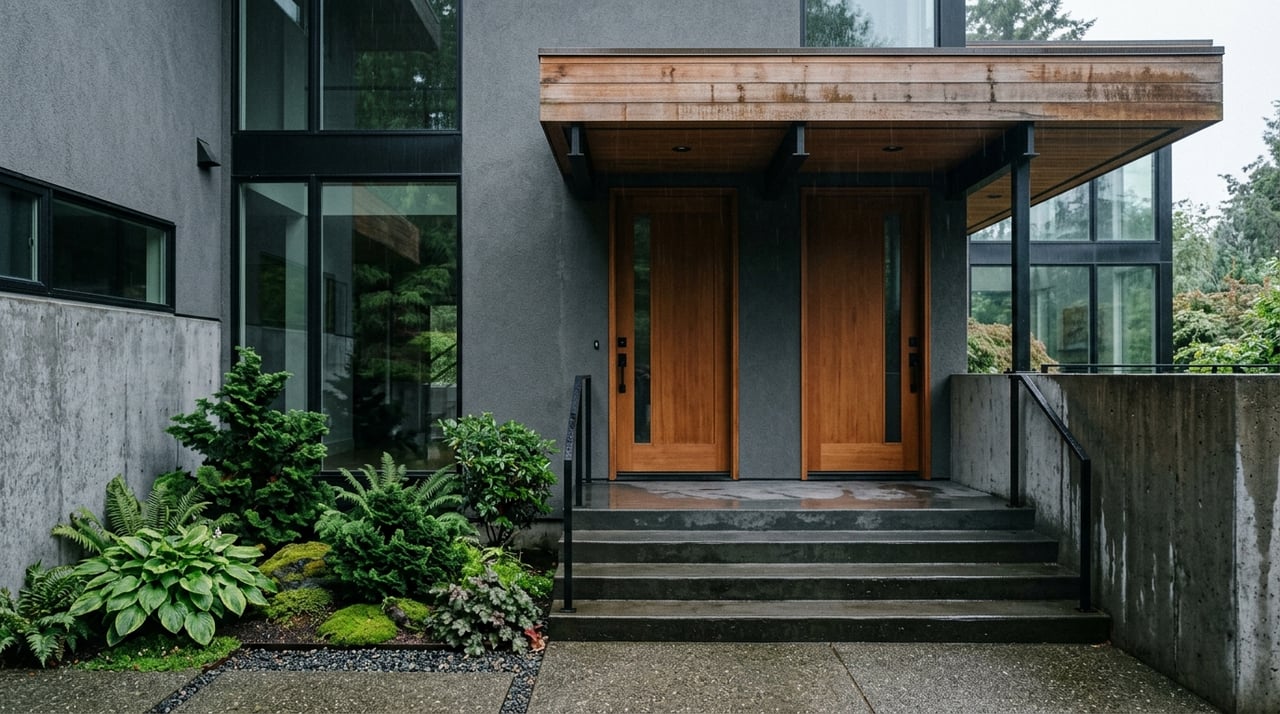
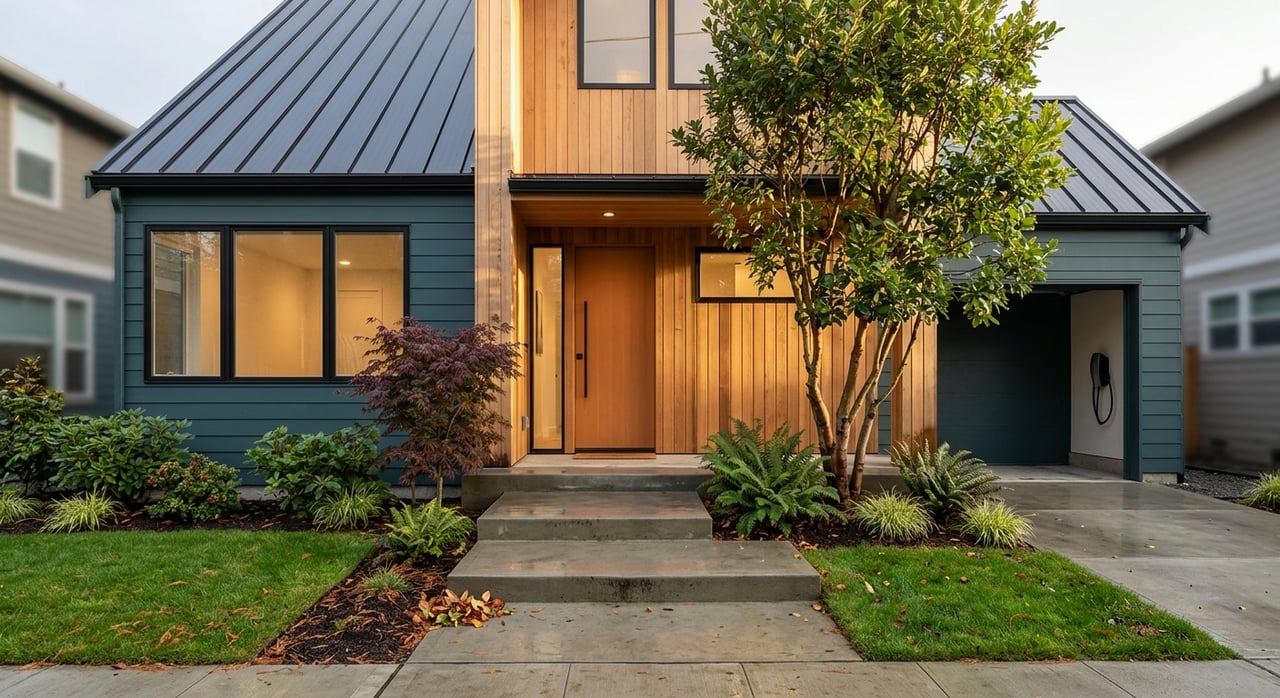
For Seattle sellers, that often means practical cleanup more than dramatic landscaping. Trim shrubs, clear walkways, refresh mulch or planting beds, and make the front entry look neat and intentional. If your porch or path stays damp, make sure it feels safe and well-kept.
Brighten dark rooms
Lighting matters even more in Seattle because natural light changes so much by season. NAR’s staging guidance includes lighting as part of staging, and the same 2025 staging report notes that 88% of sellers’ agents see photos as important.
Simple lighting updates can help listing photos and in-person showings. Replace weak bulbs, add lamps where needed, and make sure darker rooms do not feel dim in the middle of the day.
Choose mid-budget updates carefully
Once the basics are handled, the next best spending category is usually targeted cosmetic improvement. These updates can help a home feel fresher without the cost and delay of a major remodel.
Paint worn or dated spaces
The 2025 NAR Remodeling Impact Report says REALTORS® most often recommend painting the entire home, painting one room, and new roofing before selling. Fresh paint is often one of the simplest ways to make a home feel cleaner and more current.
This is especially useful if your walls show wear, bold color choices, or patchwork from past projects. Neutral, clean-looking paint can help buyers focus on the space itself rather than on what needs to be redone.
Refinish hardwood floors
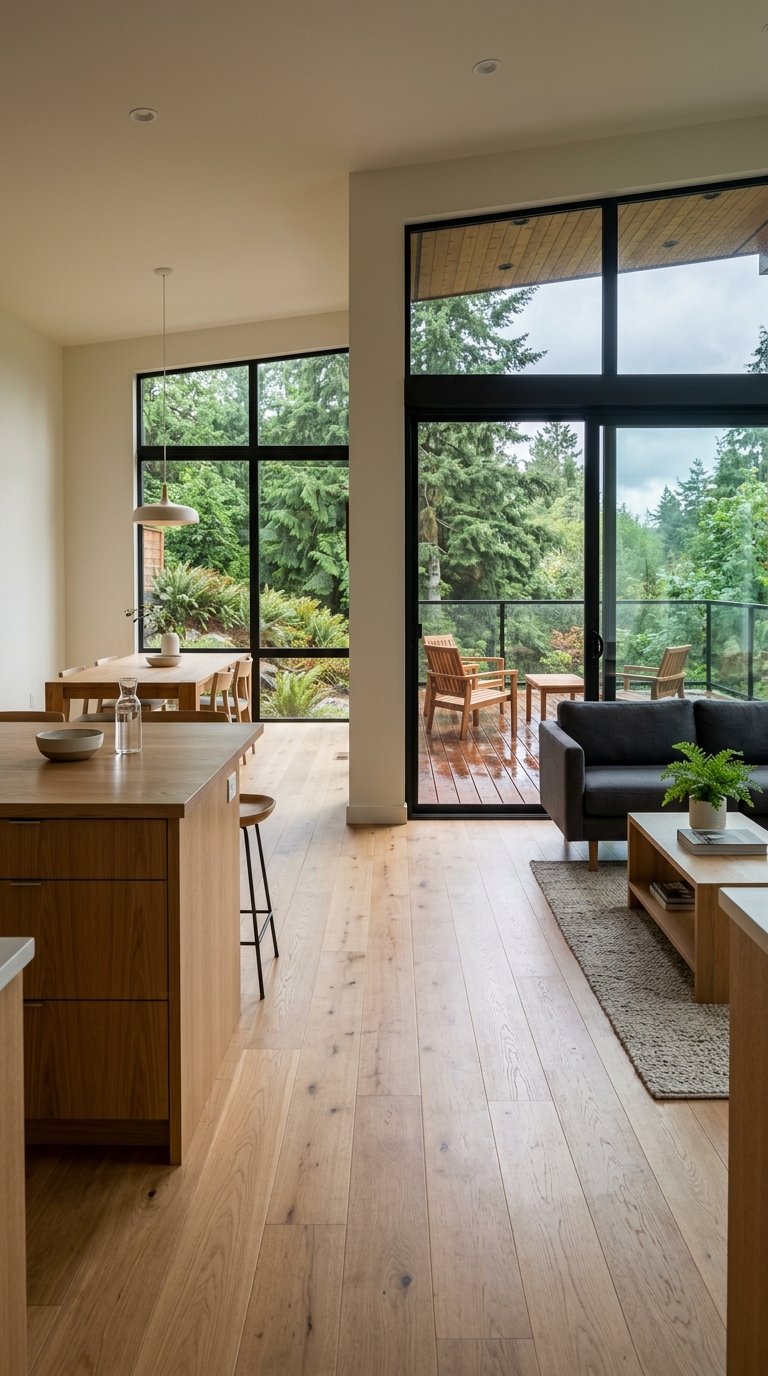
If your hardwood floors are scratched or dull, refinishing may be more effective than replacing them. NAR cites a 147% cost-recovery estimate for hardwood floor refinishing, which is why this project comes up so often in pre-listing planning.
Buyers tend to notice floors immediately because they run through the whole visual experience of a home. A floor refresh can make the entire property feel better maintained.
Update key doors and visible surfaces
The same NAR remodeling research highlights projects like garage door replacement and steel entry-door replacement among higher-return exterior updates. These are not the right fit for every seller, but if your front door or garage door looks tired, replacing it can sharpen the home’s first impression.
Think of these as selective upgrades, not a blank check. If a feature is highly visible and clearly worn, it may be worth addressing before you list.
Make outdoor areas usable
Outdoor living does not need to be elaborate to matter. The NAHB 2024 buyer survey found that buyers most want features like exterior lighting, a patio, a front porch, a rear porch, and a deck.
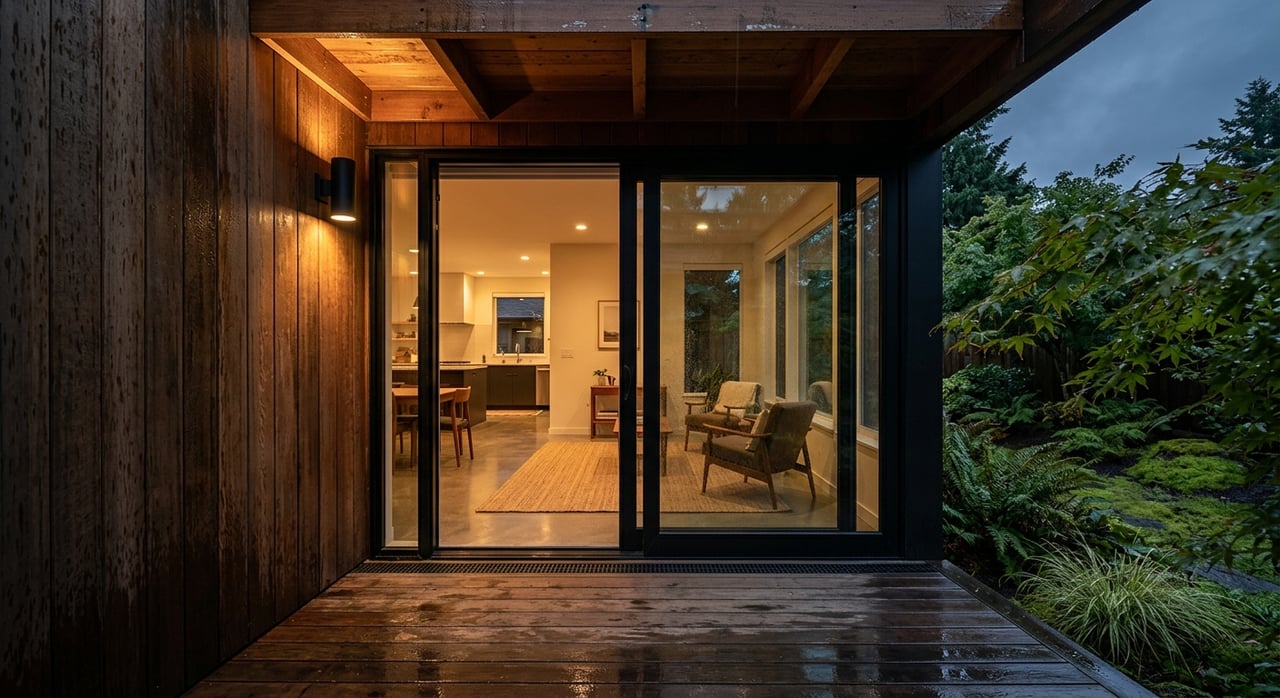
That supports a practical Seattle approach. Instead of taking on a major backyard renovation, make sure your existing outdoor spaces feel usable. Clean the deck, stage the patio as a sitting area, and confirm outdoor lighting works well for evening showings or darker seasons.
Be cautious with major remodels
A larger project is sometimes necessary, but it should be the exception, not the default. NAR’s article on home upgrades that can pay off at resale notes that complete kitchen renovations and bathroom additions can recover less than many smaller, more visible improvements, with estimated cost recovery of 60% and 56% respectively.
That does not mean a major remodel is always a bad idea. It means you should ask a harder question first: does the home truly need it to compete, or would that money work better in presentation, repairs, and selective updates?
Permits can affect timing
In Seattle, project timing matters as much as project cost. The Seattle Department of Construction and Inspections says most projects require a permit, remodels and additions generally need a construction permit, and electrical work needs a permit when wiring is installed, altered, extended, or connected to equipment.
By contrast, painting and cleaning usually do not require permits. If you plan to list soon, cosmetic updates are often more attractive because they are faster, simpler, and less likely to delay your market launch.
Use nearby listings as your reality check
Not every home needs the same prep plan. NAR’s remodeling guidance notes that project value depends on location, condition, and homeowner preferences, which is why local comparable listings matter so much.
If your home already has solid condition and layout, a full remodel may not be necessary. But if it feels clearly behind comparable Seattle listings in finish level or upkeep, then a bigger investment might make sense. The key is to compare your home against the homes buyers will be touring at the same price point.
A smart pre-listing priority order
If you are trying to decide what to do first, this is a practical sequence based on the research:
- Clean, declutter, and fix obvious defects.
- Improve curb appeal and lighting.
- Paint and refinish clearly worn surfaces.
- Consider door, floor, or storage upgrades if the home still feels dated.
- Only then consider major remodels or additions.
This order helps you spend where buyers are most likely to notice the difference.
How to keep the process manageable
Pre-listing prep can feel overwhelming when you are also managing work, family, and a moving timeline. That is why many sellers benefit from a plan that separates must-do items from nice-to-have projects.
At Cedar to Sound Homes, we focus on practical prep that supports your timeline and your likely return, not on creating work for the sake of work. If you want help deciding which updates are worth doing before you list, Cedar to Sound Homes can help you build a clear plan, coordinate prep steps, and move toward market with less stress.
FAQs
What are the best pre-listing updates for a Seattle home?
- The most impactful updates are usually decluttering, deep cleaning, curb appeal improvements, better lighting, fresh paint, and refinishing worn hardwood floors.
Should Seattle sellers remodel the kitchen before listing?
- Not always. Research in the report suggests smaller, visible updates often offer more predictable value than a full kitchen remodel, especially if your home is already competitive for its price range.
Do cosmetic pre-listing updates need permits in Seattle?
- Usually not for work like painting or cleaning, but many remodels, additions, and certain electrical projects do require permits according to Seattle SDCI.
Why does lighting matter so much when selling a Seattle home?
- Seattle has much shorter winter daylight than summer daylight, so brighter interiors can help your home feel more inviting in photos and during showings.
How should Seattle sellers decide whether a big project is worth it?
- Compare your home to nearby listings at a similar price point, handle visible buyer-facing updates first, and only consider major work if your home is clearly under-improved relative to those comparable homes.