Ever feel like choosing a Seattle neighborhood means choosing a whole new rhythm for your day? That is often true here. Seattle does not move as one uniform city, and your routine can look very different depending on whether you want quick errands, stronger transit access, easier shoreline time, or more trail-oriented outdoor space. If you are trying to figure out where your everyday life might fit best, this guide will help you compare the city through that lens. Let’s dive in.
Think About Routine First
A helpful way to compare Seattle is to focus on how your week actually works. The city’s own walking resources break Seattle into north, central, and south sections and note that hills can affect how you move through an area, which matters more than many people expect when you are walking, running errands, or heading to transit on a regular basis. You can explore that framework on the Seattle walking map.
Instead of asking only, “Which neighborhood do I like?” it can help to ask a few more practical questions:
- Where will your errands naturally cluster?
- How often will you rely on transit?
- Do you want parks, shoreline, or trails close by?
- Are you hoping for a village feel, a station-centered routine, or a compact urban routine?
Those questions can quickly narrow your search and make Seattle feel more manageable.
North Seattle Daily Life
North Seattle often feels like a collection of neighborhood hubs rather than one single center. That means your routine may be shaped by the specific pocket you choose, whether that is Ballard, Fremont and Wallingford, Green Lake and nearby neighborhoods, or the Northgate area. According to Visit Seattle’s neighborhood overview of Ballard, this part of the city includes distinct food, shopping, and local gathering areas, with Ballard leaning more waterfront and Fremont and Wallingford feeling especially connected to trails.
North Seattle transit patterns
Transit in North Seattle is often organized around Northgate Station. The station sits on the 1 Line and connects with several Metro bus routes, including 20, 40, 67, 75, 320, 345, and 346, according to the Northgate Station boarding maps. Route 40 is especially useful to know because it reaches Ballard, Fremont, South Lake Union, and downtown Seattle.
If your week includes a mix of neighborhood errands and trips into central Seattle, this setup can be practical. It gives you options without requiring every routine to revolve around downtown.
North Seattle outdoor access
If outdoor time is part of your daily or weekly routine, North Seattle offers strong variety. Golden Gardens Park gives you Puget Sound shoreline, while other north-end destinations include Carkeek Park, Magnuson Park, and the Burke-Gilman corridor through Fremont and Wallingford. That combination can work well if you want your routine to include beach walks, running routes, or trail access without leaving the city.
North Seattle housing mix
Housing in North Seattle tends to include a mix of older single-family homes and newer infill. King County assessor reporting for Ballard, Phinney and Fremont, and Northgate and Maple Leaf notes ongoing townhome construction, with some condominium growth in certain areas, according to this King County assessor area report. For you, that can mean more options if you are balancing budget, space needs, and location.
South Seattle Daily Life
South Seattle often feels more station-centered and corridor-based. Instead of one dense core, routines here are commonly anchored by neighborhood commercial areas and transit stops. Visit Seattle’s Columbia City page describes Columbia City and Rainier Valley as areas with globally influenced dining and green space, while Beacon Hill is often associated with a neighborhood commercial core and close-in location.
South Seattle transit patterns
Transit is a major strength in South Seattle. The current 1 Line serves Beacon Hill, Mount Baker, Columbia City, Othello, and Rainier Beach, based on the current Link light rail schedule map. The First Hill Streetcar also connects Capitol Hill, First Hill, Yesler Terrace, the Central Area, Chinatown-International District, and Pioneer Square, with direct connections to Link and King Street Station.
If your routine depends on rail access, South Seattle may feel more intuitive than areas that rely mainly on buses. That can matter if you commute regularly, meet friends in different parts of the city, or just want more predictability in how you get around.
South Seattle outdoor access
South Seattle also stands out for larger parks and destination green spaces. Seward Park includes 300 acres of forest, shoreline, trails, and beaches, and the broader area also includes Kubota Garden, Mount Baker Park, and Jefferson Park amenities near Beacon Hill. If your ideal week includes longer park loops, waterfront downtime, or bigger stretches of open space, South Seattle gives you a lot to work with.
South Seattle housing mix
Housing patterns in South Seattle are mixed and still changing. King County assessor reporting notes increased townhome construction in Beacon Hill, established older homes alongside newer community development in parts of South Beacon Hill and Rainier Valley, and a more single-family-oriented feel in Rainier Beach, as outlined in this 2024 King County area report. That range can be useful if you want to compare tradeoffs between transit access, lot size, and newer construction.
West Seattle Daily Life
West Seattle often has a different rhythm from the rest of the city. It tends to feel more village-centered and shoreline-oriented, with daily life often focused around local commercial areas rather than a rail spine. Visit Seattle’s West Seattle page describes it as a hilly residential area with local shops and waterfront parks, and that summary fits the day-to-day feel many buyers are looking for.
West Seattle transit patterns
Transit in West Seattle is not as rail-based as it is in some other parts of Seattle. Instead, daily movement often relies on buses and the King County Water Taxi, along with options like RapidRide H Line and Route 21. If your routine includes commuting downtown, the mix of bus and water taxi service may be a strong fit, especially if you value that connection style over a light rail stop.
West Seattle outdoor access
Outdoor access is one of West Seattle’s biggest lifestyle draws. Alki Beach, Lincoln Park, Hamilton Viewpoint, and Schmitz Preserve Park create a mix of shoreline and forested spaces, according to Visit Seattle’s neighborhood guide. That can make it easier to build in quick waterfront walks or longer park time without planning a full day around it.
West Seattle housing mix
Housing in West Seattle is varied. King County assessor reports describe a mix that includes single-family homes, townhomes, duplexes, triplexes, condominiums, and apartments, as shown in this West Seattle assessor report. If you want a neighborhood-centered feel but still need flexibility on home type, West Seattle may offer more variety than you expect.
Central Seattle Daily Life
If your goal is to keep as much of your routine as possible within a small footprint, central Seattle may be the easiest fit. Downtown, Belltown, South Lake Union, Capitol Hill, Pioneer Square, and Queen Anne form the city’s most compact daily-life zone. Visit Seattle’s downtown neighborhood guide describes downtown as the city’s vibrant core, and the broader downtown-to-Capitol Hill corridor is often seen as a compact retail, dining, and cultural spine.
Central Seattle transit patterns
Transit is densest in and around the core. The 1 Line serves stations such as Westlake, Capitol Hill, and Pioneer Square, while streetcar connections tie together areas including First Hill, the Chinatown-International District, Pioneer Square, South Lake Union, and access points to other transit services through the Sound Transit system map and schedule materials. If your routine includes frequent trips without a car, the core gives you the most layers of transit service in one area.
Central Seattle outdoor access
Even in Seattle’s most urban areas, parks and waterfront spaces are still part of the picture. Waterfront Park, Olympic Sculpture Park, Volunteer Park, and Lake Union Park all provide open-air breaks near dense neighborhoods. That can be a good match if you want city access first but still care about having outdoor spaces woven into your week.
Central Seattle housing mix
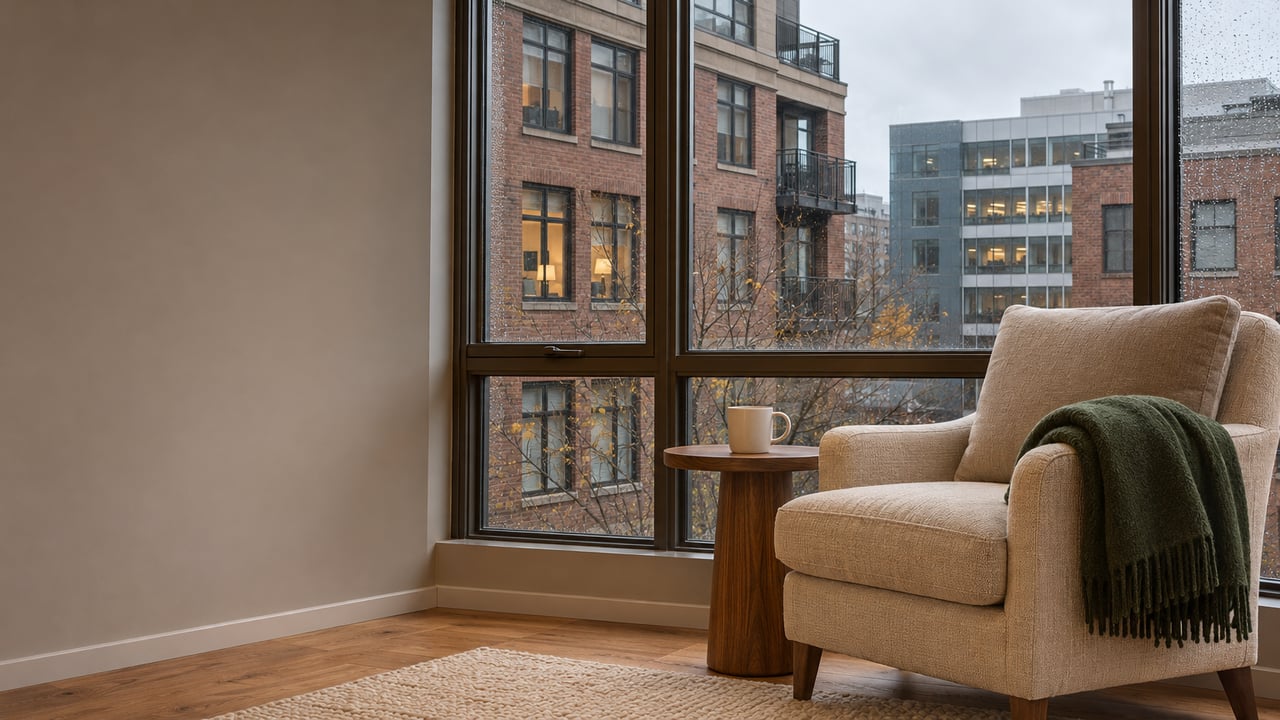
Housing in the core generally skews more vertical, with many apartments and condos, but it is not all one type. King County assessor reporting points to a concentration of condominium units downtown, while adjacent areas like Capitol Hill and Queen Anne include a wider mix of building ages and housing styles, including townhouses and older house stock, as noted in this King County assessor reference. If you want a more urban routine, this is usually where that shows up most clearly.
Which Seattle Routine Fits You?
If you step back, Seattle becomes easier to read when you focus on routine type instead of trying to rank neighborhoods. In broad terms, north Seattle often blends neighborhood hubs with trails and shoreline parks. South Seattle is more station-node and large-park oriented. West Seattle leans village-centered with strong shoreline access and water taxi connections. Central Seattle offers the highest concentration of errands, transit, and compact daily life in the smallest footprint.
That is often the real decision point. You are not just choosing a home. You are choosing how your weekdays will feel, how easy it is to get where you need to go, and what kind of spaces will be part of your regular life.
If you want help sorting through those tradeoffs, Cedar to Sound Homes can help you compare Seattle areas in a practical, step-by-step way. Whether you are buying your first place, planning a move across the city, or weighing lifestyle and investment priorities at the same time, our team can help you narrow the options and move forward with clarity.
FAQs
Which Seattle area is best for a transit-focused daily routine?
- If transit is a top priority, central Seattle and South Seattle often stand out because the 1 Line and streetcar connections serve many of those neighborhoods directly.
Which Seattle area fits a lifestyle with regular park or shoreline time?
- North Seattle, South Seattle, and West Seattle all offer strong outdoor access, but the feel differs: North Seattle leans trail-and-shoreline, South Seattle includes large destination parks, and West Seattle blends waterfront and forested park spaces.
Which Seattle area feels most compact for errands and daily needs?
- Central neighborhoods like downtown, Belltown, South Lake Union, Capitol Hill, and nearby areas generally offer the most compact mix of errands, dining, transit, and daily services.
Which Seattle area has a more neighborhood-hub feel?
- North Seattle and West Seattle often feel the most hub-oriented, with routines centered around local commercial districts instead of one citywide core.
Which Seattle areas offer a mix of housing types?
- All four broad areas include a mix, but North Seattle, South Seattle, and West Seattle each combine different levels of single-family homes, townhomes, and other housing types, while central Seattle generally includes more apartments and condos.
How should you choose between Seattle neighborhoods when buying a home?
- Start with your real weekly routine, including commute patterns, preferred outdoor spaces, errands, and housing needs, then compare neighborhoods based on how well they support those priorities.