If you have looked at Seattle home prices and thought, "How do people make this work?" you are not alone. House hacking can be a practical way to lower your monthly housing cost by living in one part of a property and renting out another, but in Seattle, the details matter more than the buzzword. If you are thinking about buying with rental income in mind, this guide will help you understand what house hacking can look like here, what rules to check first, and how to evaluate whether a property truly fits your goals. Let’s dive in.
What House Hacking Means in Seattle
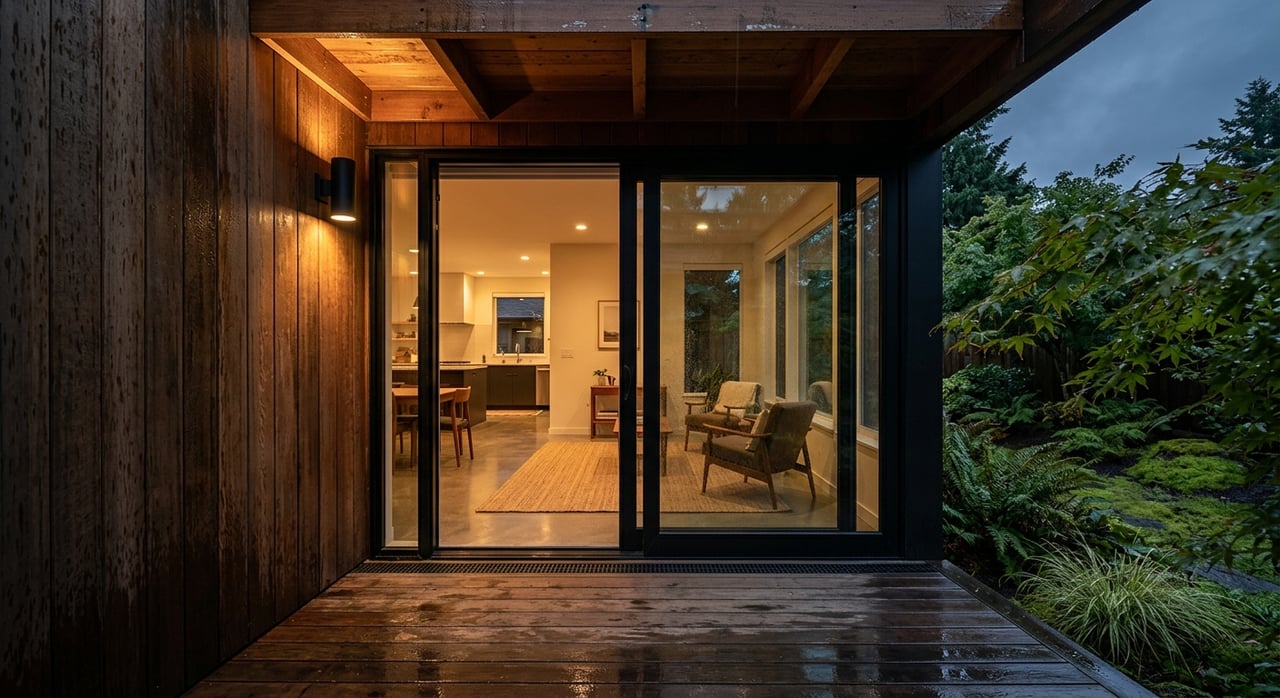
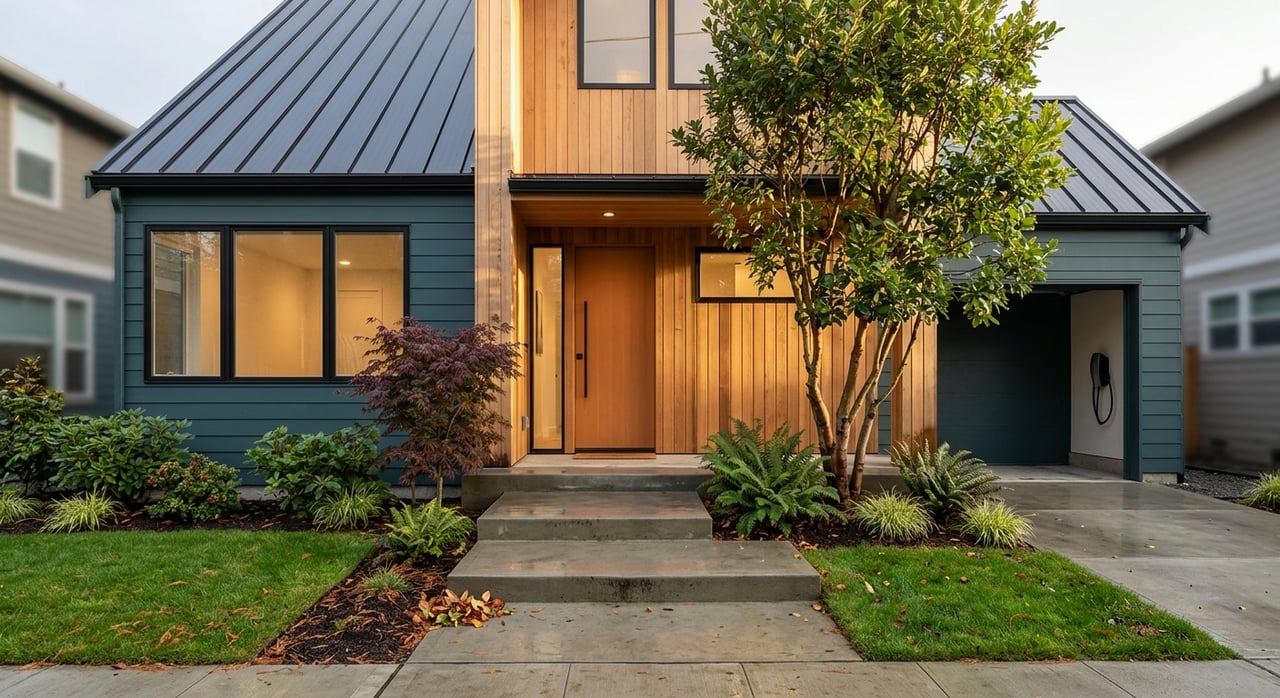
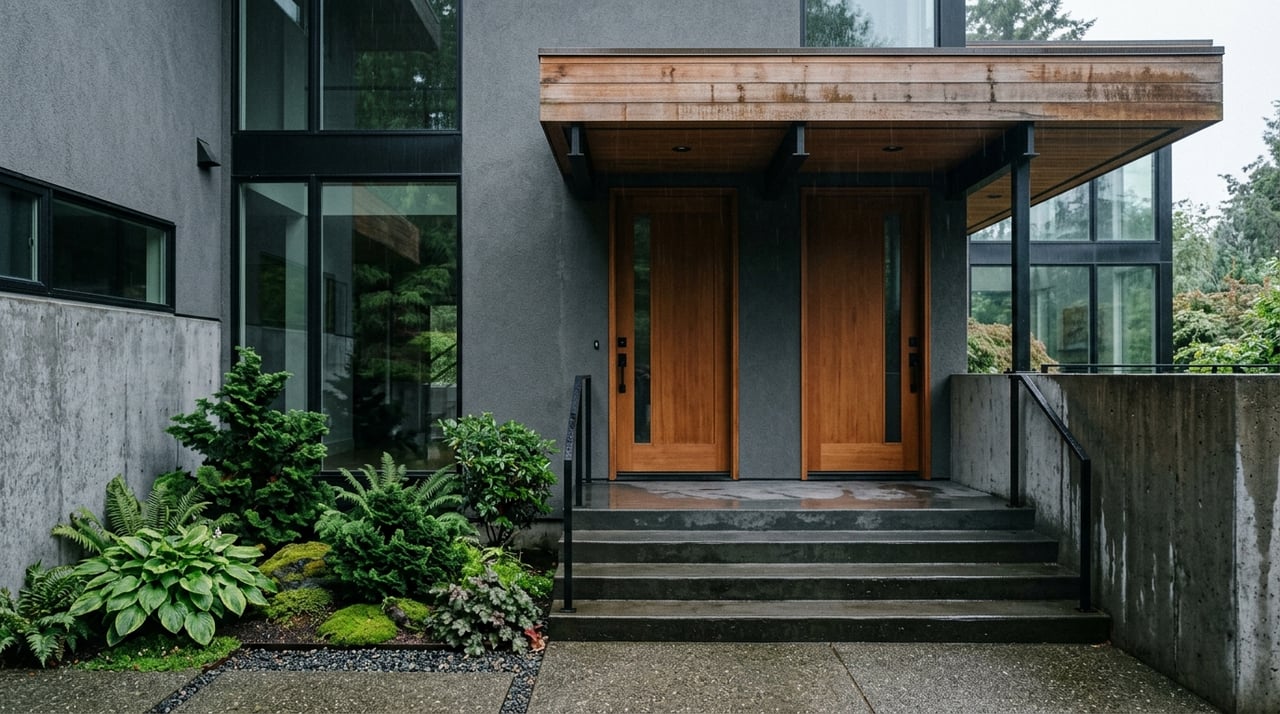
In Seattle, house hacking usually means you live in one portion of a property and rent out the rest. The most common setups are a home with an attached accessory dwelling unit, a detached accessory dwelling unit, or a small multifamily property like a duplex where you occupy one unit and rent the other.
Seattle defines an ADU as a separate living space within or on the same property as an existing or proposed house. That matters because not every basement apartment or backyard structure is automatically legal. The city says an ADU is not legal unless it has been established through the permit process.
Seattle's rules have also become more flexible over time. Attached ADUs have been allowed since 1994, detached ADUs since 2010, and the city's 2025 update made standards more uniform across many residential and mixed-use zones.
Why Seattle Buyers Consider House Hacking
For many buyers, house hacking is about making homeownership more reachable in a high-cost market. A rent stream from part of the property may help offset your monthly payment, create some financial breathing room, or support a longer-term investment plan.
It can also create flexibility. You might start by living in the main home and renting out a basement unit, then later change how you use the space as your needs shift. For some buyers, that blend of personal use and income potential is the appeal.
That said, Seattle is not a market where one rent check automatically solves the math. As of March 2026, Realtor.com reported a median Seattle listing price of $769,749 and a median rental price of $2,600 per month, so you need to look closely at the full financial picture.
Start With Legal Feasibility
Before you get excited about projected rent, start with whether the property can legally support your plan. In Seattle, that review can depend on zoning, utilities, drainage, trees, foundation design, environmentally critical areas, and overlays such as shoreline or historic districts.
The city specifically points buyers and owners to its property research tools and ADUniverse for site-specific guidance. ADUniverse includes a feasibility search tool, step-by-step guidance, and pre-approved detached ADU designs.
This is one of the biggest early filters in Seattle house hacking. A property may look promising online, but if the lot conditions, permitting path, or code requirements do not line up, the deal may not work the way you hoped.
Property Types to Watch
If you are searching for house-hack potential in Seattle, a few property types tend to stand out:
- Existing houses with basements or interior space that may work for an attached ADU
- Lots with enough physical room for a detached ADU or backyard cottage
- Duplexes, townhouses, or similar small residential buildings where separate living areas already exist
Seattle's Residential Code covers single-family houses, duplexes, and townhouses with no more than three stories. Even so, the supply of obvious house-hack candidates is still limited compared with the full housing market, so good options can require patience and careful screening.
Understand Seattle ADU Rules Before You Buy
Seattle's current ADU framework allows two ADUs per lot when there is a principal dwelling unit. That can include two detached units, depending on the property and compliance with city standards.
There are still limits. ADUs are generally limited in size, and only two units on a property may be ADUs even if the site could support more total units.
Washington state law also matters here. Cities generally may not require owner occupancy for ADU properties, except when the property is being used as a short-term rental.
A Basement Apartment Is Not Automatically Legal
This catches many buyers by surprise. If a listing mentions a "mother-in-law" space or basement apartment, that does not confirm the unit is legal.
Seattle is clear that a unit is not legal unless it has been established through a permit process. If you are counting on rental income from an existing space, verifying its status early is essential.
Tiny Houses on Wheels Are Not Legal Dwellings
Some buyers wonder whether a flexible backyard setup could work instead of a permitted ADU. In Seattle, tiny houses on wheels are not legal dwellings on city lots.
If your plan includes adding rentable living space, it needs to meet the city's building, mechanical, electrical, energy, land use, shoreline, and environmentally critical area standards where applicable.
Permits and Timelines Matter More Than You Think
In Seattle, ADU permitting is not one-size-fits-all. New detached ADUs and remodels to add a unit require a building permit, and legalizing an existing unit requires a construction permit to establish use.
If you are considering adding a detached unit after purchase, timing can be a major part of the decision. Seattle says pre-approved detached ADU plans can shorten permit review to about 2 to 6 weeks, while a typical detached ADU permit timeline is often closer to 4 to 8 months, though site conditions can change that.
That does not mean a pre-approved plan works everywhere. It does mean that for the right lot, a pre-approved design may reduce some of the uncertainty and delay.
Run the Numbers Conservatively
This is where Seattle buyers need to stay grounded. A single rent stream often helps, but it may not fully offset the cost of a median-priced purchase.
Using the March 2026 median Seattle listing price of $769,749 and a 20 percent down payment, a 30-year fixed loan at Freddie Mac's April 30, 2026 average rate of 6.30 percent implies roughly $3,812 per month in principal and interest. By comparison, Seattle's median rent of $2,600 per month supports roughly $420,000 of loan principal at that same rate.
The practical takeaway is simple: in Seattle, many house-hack deals depend on one of these factors:
- A lower purchase price than the citywide median
- More than one rent stream
- Significant equity or a larger down payment
- A property where future improvements create legal rental space
Neighborhood differences matter too. Realtor.com reported rental medians ranging from about $1,950 in ZIP code 98105 to about $3,350 in ZIP code 98117, which shows why broad averages only take you so far.
Budget Beyond the Mortgage
When you evaluate a potential house hack, look beyond principal and interest. You also need to factor in:
- Property taxes n- Insurance
- Utilities, if you will cover any portion
- Maintenance and repairs
- Vacancy risk
- Permit and construction costs, if you plan to add or legalize a unit
A deal can look strong at first glance and feel very different once these pieces are included. Conservative assumptions usually lead to better decisions.
Know the Landlord Rules From Day One
If you rent out part of the property, Washington's Residential Landlord-Tenant Act applies. That means your responsibilities start right away, including rules around rental agreements, deposits, entry, rent increases, and eviction procedures.
This matters even if you are renting out just one unit on a property where you live. House hacking can feel personal because your tenant may be steps away, but it still requires a businesslike approach and clear systems.
Washington's rent stabilization law is another reason to underwrite carefully. The Attorney General says landlords may not raise rent by more than 10 percent or 7 percent plus CPI, whichever is less, over any 12-month period, and the maximum annual increase allowed between January 1, 2026 and December 31, 2026 is 9.683 percent. Rent also cannot be raised during the first 12 months of a tenancy.
For a long-term hold, that means future rent growth should be modeled conservatively rather than optimistically.
Look for Tax Planning Opportunities Early
There may be a useful tax planning angle if your project involves significant remodeling. Washington Department of Commerce materials say a 3-year property tax exemption may be available for extensive remodeling to a single-family dwelling, including constructing an ADU, if the application is filed before the remodeling is complete and the remodel cost does not exceed 30 percent of the structure's value before the improvement.
This is worth exploring early if you are comparing multiple properties or planning a post-closing renovation. It is a planning point, not something to assume without confirming the details for your situation.
A Simple Seattle House-Hack Framework
If you want to keep the process clear, use this three-step lens:
1. Confirm the Property Can Work
Check zoning, lot conditions, permit requirements, and whether any existing unit is already legal. If the legal path is weak or unclear, treat that as a major risk, not a minor detail.
2. Compare Real Rent to Real Cost
Estimate rent based on the specific property and area, then compare it to your full carrying cost. Include conservative assumptions for maintenance, vacancies, and any improvement costs.
3. Decide if the Lifestyle Fits
House hacking is not only a spreadsheet decision. You are choosing a home where privacy, layout, parking, shared spaces, and day-to-day landlord responsibilities can affect how the property feels to live in.
Why Guidance Helps in a Market Like Seattle
Seattle offers more flexibility for ADUs and small-scale housing than it did in the past, and newer middle-housing rules may broaden owner-occupiable options over time. Still, the best house-hack opportunities are often highly property-specific.
That is where a clear process helps. When you can evaluate legal feasibility, realistic rent, and the bigger ownership picture before you write an offer, you are in a much better position to make a confident decision.
If you are exploring house hacking in Seattle and want a practical, numbers-aware strategy, Cedar to Sound Homes can help you evaluate properties with your goals, timeline, and long-term plans in mind.
FAQs
Can you house hack with an ADU in Seattle?
- Yes. In Seattle, house hacking often involves living in the main home and renting out an attached or detached ADU, as long as the unit is legally established through the city's permit process.
Can you rent out a Seattle ADU without living on site?
- In general, yes. Washington state law says cities may not require owner occupancy for ADU properties except in short-term rental situations.
Can you legalize an old basement apartment in Seattle?
- Possibly, but not automatically. Seattle says a unit is not legal unless it has been established through a permit process, so you should verify status and permitting requirements before relying on that space as rental income.
How long does a detached ADU permit take in Seattle?
- It depends on the site and project. Seattle says pre-approved detached ADU plans can shorten permit review to about 2 to 6 weeks, while a typical detached ADU permit timeline is often about 4 to 8 months.
Does one Seattle rent usually cover a full mortgage payment?
- Usually not on a median-priced property. Based on the research provided, a single rent stream in Seattle often does not fully carry a median-priced purchase, which is why many buyers look for lower-basis deals, multiple rent streams, or stronger equity positions.
What should Seattle buyers check first for house hacking?
- Start with legal feasibility. In Seattle, zoning, lot conditions, permits, utilities, trees, drainage, and overlays can all affect whether your plan will work the way you expect.