When you're buying a home in Seattle, the inspection process shouldn't stop at what you can see above ground.
One of the most important—and easiest to overlook—parts of a property is the side sewer, the private sewer line that carries wastewater from the home to the public sewer main.
Unlike a roof, furnace, or electrical panel, the sewer line is underground. You can't see its condition during a typical home tour, and a general home inspection isn't designed to provide a technically exhaustive evaluation of concealed conditions. Washington's home inspection standards specifically recognize that inspectors assess observable conditions and may refer issues to specialists when appropriate.
That's why a sewer scope inspection in Seattle can be such a valuable piece of due diligence for home buyers.
Seattle Public Utilities actually recommends having a property's side sewer inspected before purchasing.
What Is a Sewer Scope Inspection?
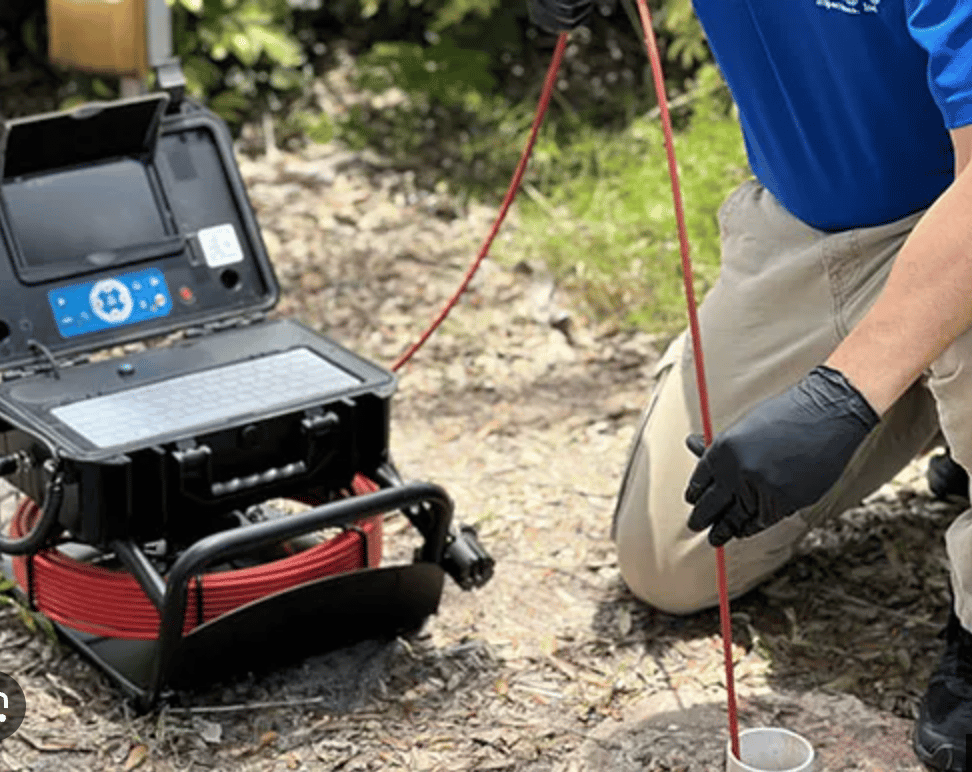
A sewer scope is a video inspection of the sewer line serving a property.
A qualified plumber or sewer inspection professional typically accesses the line through an appropriate cleanout or other access point and sends a small camera through the pipe. The camera allows the professional to see conditions that aren't visible from inside the home.
Depending on the property, a sewer scope may identify issues such as:
- Tree root intrusion
- Cracks or fractures
- Offset pipe joints
- Sagging or "belly" sections
- Significant debris or buildup
- Deteriorated pipe material
- Structural deterioration
- Partial or significant obstructions
- Areas that may warrant repair or further evaluation
Seattle Public Utilities specifically identifies roots, cracks, fractures, offsets, sags, and deterioration among the conditions that can affect side sewers.
The inspection typically produces a video that can be reviewed with the inspector or contractor.
Why Does a Sewer Scope Matter When Buying a Seattle Home?
The biggest reason is simple:
You don't want to discover an expensive underground problem after you've already purchased the house.
Seattle homes can have a wide range of sewer configurations and pipe materials depending on when the property was built, how it has been maintained, and whether the sewer line has been replaced or repaired.
Older pipes can be particularly susceptible to deterioration and root intrusion. Seattle Public Utilities notes that older concrete and clay side sewers with non-watertight joints are especially vulnerable to roots.
And Seattle's mature landscaping can make root intrusion an important issue to investigate.
A tree doesn't have to be directly on top of a sewer line for its roots to become a problem. According to Seattle Public Utilities, roots are attracted to the water and nutrients available around sewer pipes and can enter through cracks or openings.
What Does a Sewer Scope Look For?
A sewer scope isn't simply checking whether wastewater can currently flow through the pipe.
The condition of the pipe matters, too.
Root intrusion
Roots can enter through cracks, joints, or other openings in a sewer pipe.
A small amount of root intrusion doesn't necessarily mean the sewer needs to be replaced. Seattle Public Utilities categorizes root intrusion by severity and notes that some conditions can be monitored or cleaned while more significant intrusion may affect the pipe's function.
Cracks and fractures
Cracks can range from relatively minor conditions to serious structural defects.
The cause can vary, including aging, soil conditions, installation issues, or root penetration.
A camera inspection can help determine whether the pipe appears intact or whether a problem deserves additional evaluation.
Offset joints
An offset occurs when sections of pipe don't line up properly.
Minor offsets may simply warrant monitoring, while more severe offsets can allow surrounding soil to enter the pipe and contribute to backups or other problems.
Sags or "bellies"
Sewer pipes are installed with a slope so wastewater can flow through the line.
A section that has settled and lost that slope can allow water and debris to collect.
Seattle Public Utilities notes that the significance of a sag depends on its severity and whether it causes debris to accumulate.
Deteriorated pipe
Older sewer pipes can deteriorate over time.
Seattle Public Utilities identifies exposed aggregate and severe structural deterioration as potential defects in concrete side sewers, with the severity determining whether monitoring, repair, or replacement may be appropriate.
How Much Does a Sewer Scope Cost in Seattle?
The cost varies based on the property, the length and accessibility of the sewer line, and the company performing the inspection.
Seattle Public Utilities' homeowner guidance currently lists $230–$845 as a general range for a sewer video inspection, depending on pipe conditions.
That's relatively modest compared with the potential cost of repairing or replacing a damaged sewer line.
But the value isn't simply about avoiding a repair bill.
A sewer scope gives you information you can use before you purchase the property.
If an inspection reveals a significant problem, you can investigate further and better understand the condition before deciding how you want to proceed with the transaction.
Does a Regular Home Inspection Include a Sewer Scope?
Usually, you shouldn't assume that it does.
A general home inspection is different from a specialized sewer camera inspection. Washington's home inspection standards describe a home inspector as a generalist who evaluates specific systems and components through visual observations and may refer conditions to specialists. The standards also state that a home inspection is not technically exhaustive and does not identify concealed conditions or latent defects.
Because the sewer line is underground, a dedicated camera inspection provides information that isn't available from simply looking at the visible plumbing inside the house.
When you're buying a Seattle home, ask your inspector or real estate agent whether a separate sewer scope would be appropriate for the property.
When Should a Seattle Home Buyer Get a Sewer Scope?
There isn't one rule that applies to every property.
However, a sewer scope may be particularly worth considering when:
- The home is older.
- The sewer line appears to be original.
- The property has large or mature trees.
- There is limited documentation about previous sewer work.
- The seller cannot provide information about the condition of the side sewer.
- The property has experienced previous backups or drainage problems.
- The inspection identifies plumbing or drainage concerns.
- You're considering waiving or modifying other inspection protections.
- You simply want more information about a potentially expensive component of the property.
Seattle Public Utilities specifically recommends having the side sewer inspected before purchasing a property.
What If the Sewer Scope Finds a Problem?
Don't automatically assume that a problem means you should walk away from the house.
This is where understanding the severity of the finding matters.
For example, a camera might show minor root intrusion that can be monitored or cleaned. Another property might have a significant structural defect that requires repair.
Those are very different situations.
Seattle Public Utilities' guidance illustrates this distinction: some defects may call for routine inspection or maintenance, while severe cracks, root intrusion, offsets, or structural deterioration can require repair or replacement.
If a sewer scope identifies a concern, consider getting the findings reviewed by an appropriately qualified sewer contractor or plumber.
Ask:
- What exactly is wrong?
- How severe is it?
- Is the sewer currently functioning?
- Does it need immediate repair?
- Can it be cleaned or repaired without replacing the entire line?
- How long might the existing condition remain serviceable?
- What repair options are available?
- What would the approximate cost be?
- Does the issue extend onto a shared side sewer?
That last question can be particularly important in Seattle.
Who Is Responsible for the Sewer Line in Seattle?
Understanding ownership is another reason a sewer scope can be valuable.
Seattle Public Utilities states that homeowners generally own their side sewer from the building all the way to the connection with the public sewer main. Some properties share a side sewer with neighboring properties.
That means a problem underground isn't necessarily the city's responsibility simply because the pipe eventually connects to the public sewer.
If the property has a shared side sewer, responsibility can become more complicated.
Seattle Public Utilities provides resources for determining side sewer locations and addressing shared side sewer responsibilities.
Can You Find a Property's Sewer Information Before Buying?
Potentially, yes.
Seattle provides a Water and Sewer Map that allows property owners and others to research certain existing water, sewer, and drainage infrastructure. The city notes that the map is intended for preliminary planning and doesn't replace official permitting or approval information.
This can be another useful source of information when you're researching a property, but it shouldn't replace an actual inspection of the sewer line.
A map can tell you about infrastructure.
A camera inspection can tell you about the condition of the pipe itself.
Is a Sewer Scope Worth It for Every Seattle Home?
Not necessarily.
The decision depends on the individual property.
A newer home with a relatively recent sewer installation may present a different risk profile than an older home with an original sewer line and mature trees. Although, we have found new builds with sewer line issues. We always strongly suggest getting a sewer scope on all homes.
The important thing is to consider the age, history, construction, landscaping, and available documentation for the specific property rather than assuming every Seattle home has the same sewer risk.
For buyers who don't know when the sewer was installed or last replaced, a scope can provide useful information that would otherwise remain hidden underground.
What First-Time Seattle Buyers Should Know About Sewer Scopes
If this is your first time buying a home, sewer problems probably aren't high on your list of things to think about.
That's understandable.
You're probably more focused on the kitchen, bathrooms, roof, windows, neighborhood, monthly payment, and whether the house has enough space for your needs.
But some of the most expensive problems aren't the ones you can see during a showing.
A sewer scope is relatively straightforward, and Seattle Public Utilities specifically recommends having the side sewer inspected before purchasing a property.
The goal isn't to make you nervous about buying a home.
It's to replace an unknown with information.
Seattle Sewer Scope Checklist
If you're considering a sewer scope before buying a home, here are a few questions to ask:
- How old is the sewer line?
- Do we know what material the pipe is made from?
- Has the sewer been replaced or repaired?
- Are there mature trees near the sewer path?
- Has the property had previous sewer backups?
- Is there an accessible cleanout?
- Does the scope reach all the way to the public sewer connection?
- Are there roots, cracks, offsets, or sags?
- Is the issue minor, moderate, or severe?
- Does the finding require immediate repair or monitoring?
- Should a specialist provide a repair estimate?
- Is the side sewer shared with another property?
Getting clear answers to these questions can help you understand one of the most easily overlooked systems in the home.
The Bottom Line: Look Underground Before You Buy
A home can have a beautiful kitchen, updated bathrooms, a new roof, and a great backyard—and still have a sewer line that deserves attention.
That's why a sewer scope inspection in Seattle can be an important part of your home-buying due diligence, particularly when you're purchasing an older property or a home with mature landscaping.
Seattle Public Utilities recommends inspecting a property's side sewer before purchase, and its guidance shows why: roots, cracks, offsets, sags, and pipe deterioration can range from manageable maintenance issues to problems requiring significant repair.
The good news is that you don't have to become a sewer expert.
You simply need to know what questions to ask and make sure you understand what you're buying.
At Cedar to Sound Homes, we believe an informed buyer is a better-prepared homeowner. If you're looking at homes in Seattle and want to understand which inspections may make sense for a particular property, we can help you navigate the process and connect the inspection findings to the bigger picture of your purchase.
Before you fall in love with the house, make sure you understand what's underneath it.