Buying your first home in Seattle is exciting, but it can also feel overwhelming. There are offers to write, financing to arrange, disclosures to review, and dozens of details to understand before you get the keys. One of the most important steps in that process is understanding the condition of the home you're buying.
That's where a Seattle home inspection comes in.
For first-time buyers, it's easy to think of an inspection as a simple pass-or-fail test. In reality, a home inspection is an opportunity to learn how a property works, identify potential problems, and better understand the maintenance and repair costs you may face as a homeowner.
This can be particularly important in Seattle, where many homes have decades of history behind them. A home can look beautifully maintained during a showing while still having older electrical, plumbing, roofing, drainage, or structural components that deserve a closer look.
Here are some of the most common mistakes first-time Seattle home buyers make when it comes to inspections—and what you should know instead.
1. A home inspection isn't a pass-or-fail test
One of the biggest misconceptions first-time buyers have is that a home should either "pass" or "fail" an inspection.
That's not really how a home inspection works.
Most homes—even well-maintained ones—will have some items that need attention. An inspector's job is to identify observable conditions and provide information about the home's major systems and components.
The more useful question isn't:
"Did the house pass?"
It's:
"What did the inspection teach me about this house?"
An inspection can help you distinguish between routine maintenance, repairs that should be addressed soon, and conditions that may warrant further evaluation by a qualified specialist.
That distinction is important when you're deciding whether a home is right for you.
2. Don't assume a renovated Seattle home doesn't need an inspection
A beautiful remodel can make a home feel completely move-in ready. But new cabinets, countertops, flooring, paint, and fixtures don't necessarily tell you what's happening behind the walls or underneath the property.
Even a recently renovated home can have older components that weren't part of the remodel.
During a Seattle home inspection, buyers should pay attention to the condition and approximate age of major systems, including:
- Roof and attic
- Electrical panel and wiring
- Plumbing
- Water heater
- Heating and cooling systems
- Foundation and structural components
- Crawl spaces and basements
- Drainage around the property
- Windows and exterior systems
It's also worth asking what was actually replaced during a renovation versus what was simply updated cosmetically.
A remodeled kitchen doesn't necessarily mean the home's plumbing or electrical system is new.
3. Older Seattle homes aren't necessarily bad homes
Seattle's established neighborhoods include many homes that were built decades ago. That can mean charm, character, mature landscaping, and established communities—but it can also mean older building systems.
Neighborhoods such as Wallingford, Ravenna, and Mount Baker include plenty of older housing stock, so buyers shouldn't be surprised to encounter homes with components that have been repaired, replaced, or updated over the years.
The age of a home shouldn't automatically be viewed as a red flag.
Instead, ask:
How has the home been maintained?
A 100-year-old home that has been thoughtfully maintained and updated may present fewer immediate concerns than a much newer home that has been neglected.
The inspection helps provide context.
4. Look beyond the obvious: sewer, drainage, and moisture
Some of the most important parts of a home aren't visible during a typical showing.
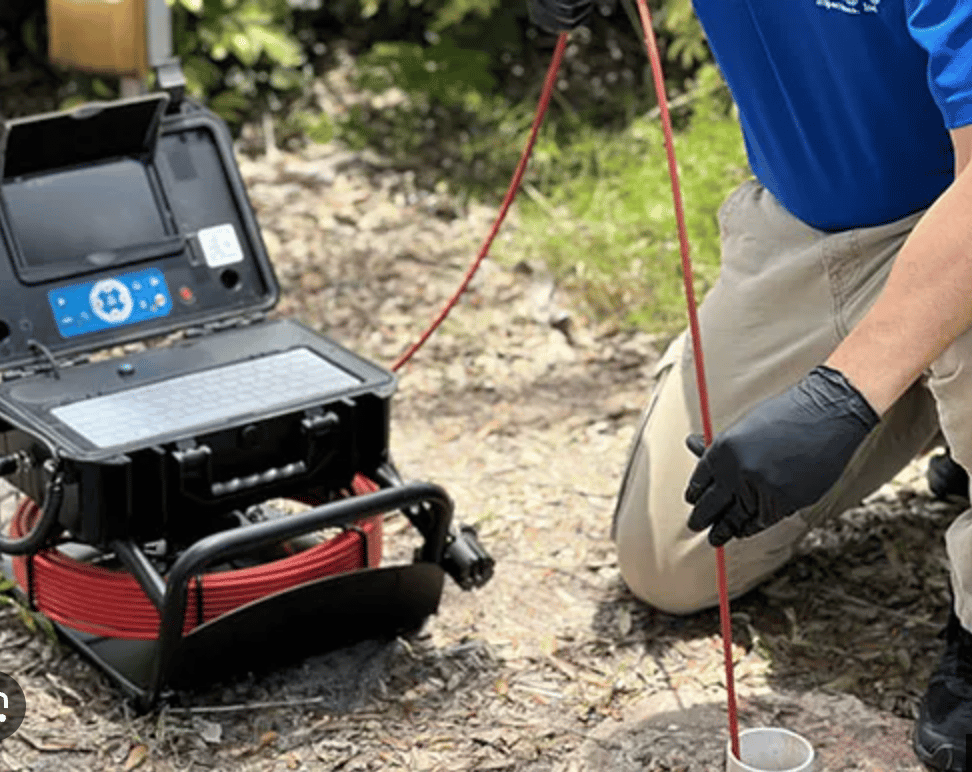
For example, a standard home inspection may not tell you everything you need to know about an underground sewer line.
Depending on the property, its age, and other factors, buyers may want to consider a sewer scope performed by an appropriately qualified professional. A sewer scope uses a camera to inspect the inside of the sewer line and can identify conditions that aren't apparent from inside the house.
Drainage and moisture deserve attention as well.
Seattle's wet climate makes water management an important consideration for homeowners. Buyers should pay attention to areas such as:
- Gutters and downspouts
- Grading around the foundation
- Crawl spaces
- Basements
- Exterior drainage
- Signs of moisture intrusion
- Roof drainage
An inspector may identify conditions that deserve further investigation, but buyers should remember that an inspection is a visual assessment and isn't designed to uncover every possible defect.
5. Ask about the age of major systems—not just whether they're working
A system can be functioning properly today and still be approaching the end of its useful life.
That's why first-time buyers should ask questions about age and remaining life, not just current functionality.
For example:
Roof: Is it relatively new, or is it approaching the end of its expected service life?
Water heater: Is it newer or several years into its expected lifespan?
Furnace: Is it operating properly, and how old is the equipment?
Electrical system: Has the electrical system been updated, or does the home still have older components?
Plumbing: What materials were used, and are there signs of corrosion, leaks, or previous repairs?
Understanding the answers can help you think beyond the immediate purchase.
A $1,000 repair six months after closing may be manageable. A major system replacement can require a very different financial plan.
6. Don't let the inspection report scare you
Home inspection reports can be long.
Very long.
For a first-time buyer, seeing page after page of findings can make it feel as though you've just discovered everything wrong with the house.
That's where context matters.
An inspection report may contain dozens of observations, but they don't all carry the same weight.
Some may be routine maintenance recommendations. Others may be items that should be monitored. A smaller number could warrant immediate attention or evaluation by a specialist.
When reviewing the report, try to separate findings into categories:
Maintenance
These are items that are part of normal homeownership and should be addressed over time.
Repairs
These are conditions that should be corrected, but may not necessarily make the home unworkable.
Further evaluation
Some findings may require a specialist—such as a structural engineer, electrician, plumber, roofer, or sewer professional—to determine the extent of the issue.
Potential major expenses
These are the findings that deserve the most attention when evaluating the overall financial picture of the home.
Your real estate agent can also help you understand how inspection findings fit into the larger transaction and your offer strategy.
7. Ask your inspector questions
First-time buyers sometimes feel like they should stay quiet during an inspection because the inspector is the expert.
Don't.
An inspection is one of the best opportunities you have to learn about the home you're considering.
Ask questions such as:
- How old is this system?
- What condition is it in?
- Is this typical for a home of this age?
- Does this need attention right away?
- What could happen if I don't address it?
- Should I have a specialist take a closer look?
- Is this something I should budget for in the next few years?
- Is there evidence that this issue has been repaired before?
You're not expected to become a home inspector overnight.
The goal is to leave the inspection with a better understanding of what you're buying.
8. What is a pre-inspection?
In a competitive real estate situation, some Seattle buyers may consider getting a pre-inspection before submitting an offer.
A pre-inspection allows a buyer to learn more about the condition of a property before deciding how they want to structure an offer.
This can be especially useful when you're considering an older home or a property where you want more information before committing to a purchase.
For example, a pre-inspection may help you discover that:
- The roof is nearing the end of its useful life.
- A sewer scope may be worth considering.
- An electrical system needs additional evaluation.
- Drainage around the property deserves attention.
- A structural concern should be reviewed by a specialist.
That information can help you make a more informed decision about the property and the level of risk you're comfortable accepting.
A pre-inspection isn't a guarantee that every potential issue will be discovered, however, and buyers should understand the inspection terms and protections associated with their specific offer.
9. Should you waive an inspection?
This is one of the biggest questions buyers may face in a competitive market.
There's no universal answer.
Whether modifying or waiving an inspection-related contingency makes sense depends on the property, the buyer's financial situation, the competitive circumstances, and the buyer's tolerance for risk.
The important thing is to understand what you're giving up before making that decision.
If you haven't had an opportunity to learn about the home's condition, taking on significant unknown risk can have serious financial consequences.
That's why some buyers choose to gather as much information as possible before submitting an offer, including considering a pre-inspection when appropriate.
Your real estate agent can explain the transaction strategy and help you understand the practical implications of different offer terms, while your inspector and other qualified professionals can provide information about the property's physical condition.
10. Think about the house you'll own—not just the house you're buying
It's easy to focus on the purchase price when you're buying a home.
But your true cost of ownership includes much more than the mortgage payment.
You may eventually need to pay for:
- Roof replacement
- Heating-system replacement
- Water heater replacement
- Plumbing repairs
- Electrical updates
- Sewer repairs
- Drainage improvements
- Exterior maintenance
- Appliance replacement
- Routine home maintenance
That doesn't mean you should avoid a home because it has an aging roof or an older furnace.
Instead, use the inspection to build a more realistic picture of what homeownership could look like financially.
A house doesn't need to be perfect. You need to understand what you're buying.
Seattle Home Inspection Checklist for First-Time Buyers
Before and during your inspection, consider asking about these areas:
Area | Questions to Consider |
|---|---|
Roof | How old is it? Are there signs of damage or leaks? |
Electrical | How old is the panel? Are there concerns with the wiring? |
Plumbing | What type of plumbing is present? Are there leaks or corrosion? |
Sewer | Should a sewer scope be considered? |
Heating | What type of system is installed, and how old is it? |
Water heater | How old is it and what condition is it in? |
Foundation | Are there signs of movement, moisture, or other concerns? |
Drainage | Is water being directed away from the house? |
Crawl space/basement | Are there signs of moisture, pests, or structural concerns? |
Exterior | What maintenance or repairs should be anticipated? |
This isn't a substitute for a professional inspection. Instead, it's a starting point for knowing what questions to ask.
The Bottom Line: Use the Inspection to Make a Better Decision
For first-time home buyers in Seattle, the biggest mistake is treating the home inspection as something to simply "get through."
Think of it as an education.
The inspection can help you understand the home's major systems, identify potential expenses, recognize issues that may require further evaluation, and decide whether the property fits your budget and comfort level.
And remember: the goal isn't to find a perfect house. It's to understand the house you're buying.
At Cedar to Sound Homes, we believe buyers deserve clear information and thoughtful guidance throughout the home-buying process—from the initial search and offer strategy through inspections and closing. Our approach is centered on helping clients understand their options so they can make decisions that fit their goals and their lives.
If you're a first-time buyer considering a home in Seattle, we're happy to help you understand what to look for, what questions to ask, and how the inspection fits into the larger home-buying process.