Rain shapes daily life in Seattle, so it should shape the way you think about home design too. If you are buying, renovating, or preparing to sell, it helps to know which features make a home feel brighter, drier, and easier to live in through long wet stretches. In this guide, you will learn the design choices that matter most in Seattle’s climate and how to spot them in a home. Let’s dive in.
Seattle homes need dry and bright
Seattle’s climate is wet but fairly mild, which creates a very specific design challenge. NOAA climate normals for Seattle-Tacoma International Airport show 39.34 inches of annual precipitation and 156.2 days with measurable precipitation.
A big share of that rain arrives in late fall and winter. November, December, and January together account for about 45% of annual precipitation, while annual snowfall averages only 6.3 inches. In other words, most Seattle homes are dealing with persistent moisture far more often than heavy snow.
Seattle also goes through a major seasonal light shift. Around the winter solstice, daylight lasts about 8 hours and 25 minutes, which is 7 hours and 34 minutes shorter than at the June solstice. That is why a well-designed Seattle home needs to feel bright and comfortable even when the weather is gray for weeks at a time.
Prioritize daylight without overdoing glass
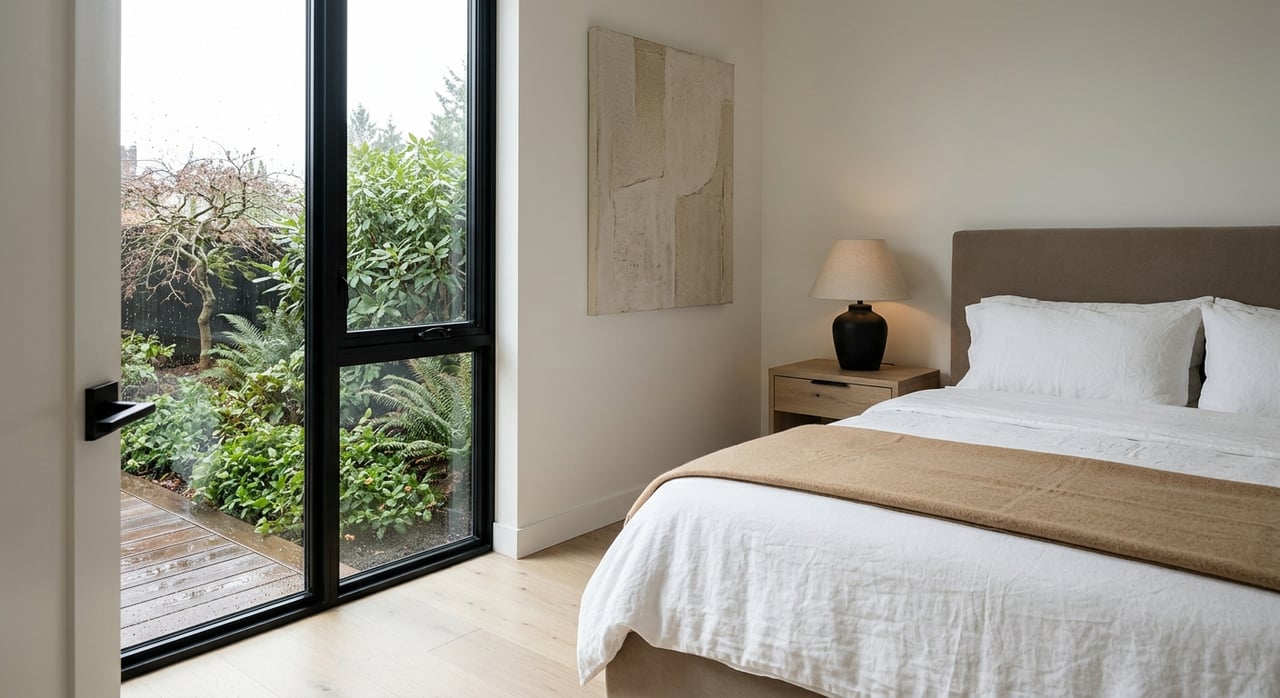
Natural light matters in any home, but in Seattle it can make a huge difference in how a space feels during winter. The goal is not simply adding more glass everywhere. It is using the right windows, in the right places, so you get useful light without creating glare or comfort issues.
The U.S. Department of Energy recommends planning windows and skylights based on orientation. For Seattle homeowners, that means south-facing windows can help capture winter sun, while north-facing windows can provide more even light with less glare.
East- and west-facing windows can still be valuable, but they often need more control. Depending on the room, too much direct light can create glare or unwanted heat gain at certain times of day. In Seattle, smart daylighting is usually more effective than chasing an all-glass look.
Best window orientation ideas
If you are evaluating a home or planning updates, these orientation basics can help:
- South-facing windows: helpful for capturing winter sunlight
- North-facing windows: useful for steady, softer light
- East-facing windows: good morning light, but may need glare control
- West-facing windows: warmer afternoon light, often needs shading support
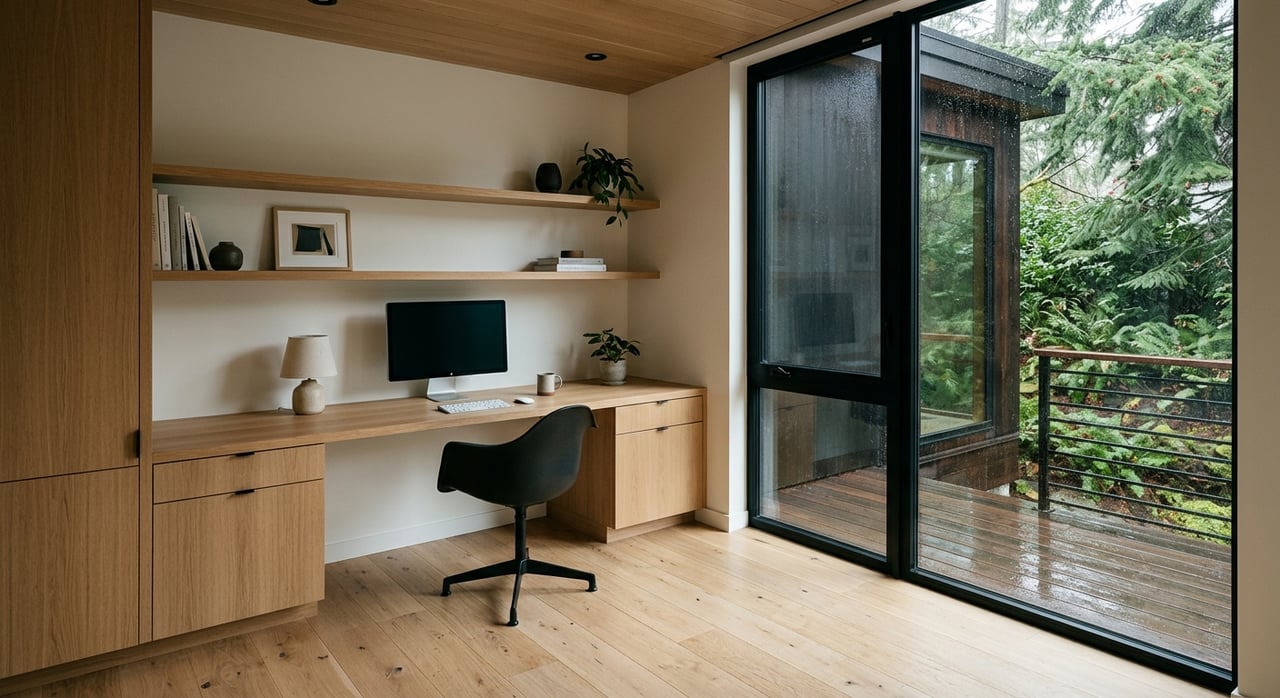
This can be especially important in living rooms, kitchens, and work-from-home spaces where winter brightness affects day-to-day comfort.
Use window coverings that improve comfort
In Seattle, window coverings are not just decorative. They can help your home feel warmer, brighter, and more usable during darker months.
DOE guidance notes that energy-efficient window attachments can reduce glare, improve comfort, and reduce heat loss. Tightly installed cellular shades can reduce heat loss through windows by 40% or more.
Blinds can also help bounce daylight onto a light-colored ceiling, which can make a room feel brighter without adding harsh glare. That can be a practical move in Seattle homes where preserving available daylight is often more important than maximizing a dramatic window wall.
Smart covering choices for Seattle homes
Look for coverings that support both comfort and light control:
- Cellular shades for improved insulation
- Blinds that can redirect daylight upward
- Simple coverings that allow flexible control throughout the day
- Durable materials that hold up well in moisture-prone spaces
If you have a covered patio or deck area, awnings can also help. DOE notes that modern awning fabrics are often water-repellent and mildew-resistant, which makes them especially practical in a rainy climate.
Plan for lighting during dark months
Even a well-lit Seattle home needs strong artificial lighting in winter. With short daylight hours, your home will work better if daylight and electric light are designed to complement each other.
That usually means layering lighting instead of depending on one overhead fixture. In practical terms, you want ambient light for overall visibility, task lighting where you cook or work, and accent lighting to make rooms feel warmer and more inviting.
This is one of those details that matters for both daily living and resale. Buyers often respond well to homes that feel bright and functional, especially during Seattle’s darker seasons.
Moisture control should be built in
If there is one design priority Seattle homeowners should never ignore, it is moisture control. Washington State Department of Health guidance explains that mold needs moisture to grow and is most likely to become a problem when there is a leaky roof, high humidity, flooding, or condensation on cool surfaces.
That means your home design should help manage water before it becomes a bigger issue. Dry, easy-to-clean entry zones, good ventilation, and attention to areas that trap moisture all matter.
The Washington State Department of Health recommends keeping the home dry, stopping leaks, using exhaust fans in bathrooms, kitchens, and laundry rooms, ventilating attics and crawlspaces, and wiping window condensation promptly. EPA guidance also supports grading the ground away from the house, using gutters to move water away from foundations, and venting moisture-heavy air outside.
Areas that need extra attention
In Seattle homes, these spots deserve a closer look:
- Entry areas where wet shoes and coats collect
- Bathrooms and laundry spaces with high humidity
- Kitchens where steam builds up
- Windows where condensation can form
- Attics and crawlspaces that need ventilation
- Basements or below-grade spaces where moisture can linger
DOE also notes that moisture control works best when it is paired with air sealing, insulation, and ventilation. That combination can help reduce condensation, odors, and hidden damage.
Design an entry that handles wet weather
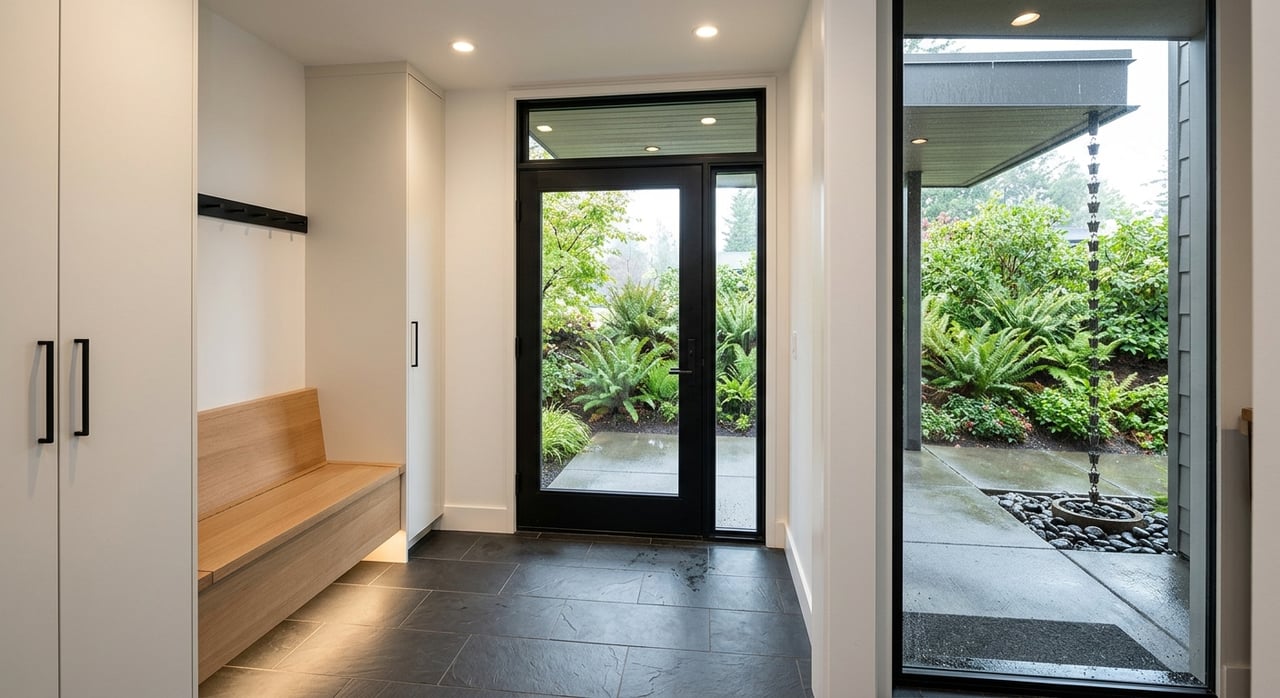
A Seattle-friendly entry does more than look nice. It gives rain a place to stop before it spreads through the house.
That can mean durable flooring, room for coats and umbrellas, and a layout that makes it easier to contain moisture near the door. If you are shopping for a home, a practical mudroom area or a simple but functional landing zone can be more valuable than it first appears.
For sellers, this is also a useful design cue. A clean, organized entry that shows how wet-weather gear can be stored can help buyers picture everyday life in the home.
Make outdoor spaces usable in the rain
Seattle buyers often care a lot about outdoor living, but the best setups are the ones you can actually use in a rainy climate. Covered or partially covered spaces tend to offer more practical value than exposed areas that sit empty for much of the year.
Seattle Public Utilities describes stormwater-related features such as rain gardens, permeable pavements, and infiltration systems as part of how rainwater can be managed on a property. That makes covered entries, covered patios, awnings, permeable walkways, and drainage-aware driveways especially relevant in Seattle.
Outdoor features that fit Seattle weather
Consider features like these:
- Covered front entries
- Covered or partially covered patios
- Awnings over seating areas
- Permeable walkways or paving
- Drainage-aware hardscape around the home
- Outdoor zones that stay functional during wet months
These details can improve day-to-day use while also helping reduce runoff.
Landscape with rain in mind
The best Seattle landscaping works with the site instead of fighting it. Seattle’s guidance for residents emphasizes choosing the right plant for the right place, matching plants to sun, soil, and water conditions, and grouping plants by similar needs.
The city also advises using low-water or drought-tolerant plants after establishment and avoiding pesticides that rain can wash into storm drains and streams. For homeowners, that means a more thoughtful landscape plan is often better than a high-maintenance one.
Why rain gardens matter
Rain gardens are one of the clearest examples of Seattle-friendly design. Seattle guidance explains that runoff can slowly filter through compost-amended or bioretention soil, and that rain gardens can handle runoff from rooftops, driveways, and other impervious surfaces.
If you have a yard project in mind, a rain garden can be both a practical drainage feature and a design upgrade. It can help your property handle rainfall more effectively while supporting a more intentional landscape plan.
Look into Seattle stormwater incentives
Some Seattle homeowners may qualify for programs that help offset stormwater improvement costs. Seattle Public Utilities says eligible property owners in certain drainage areas can receive RainWise rebates for rain gardens and or cisterns, with rebates covering 70% to 100% of project costs.
SPU also offers a Stormwater Facility Credit for properties with well-maintained stormwater systems that reduce flow or treat water. That may lower annual drainage fees for some properties.
If you are weighing improvements, these local programs may be worth researching early in the process. They can help you connect design decisions with long-term property function and potential cost savings.
What buyers and sellers should notice
If you are buying in Seattle, climate-friendly design can help you look past finishes and focus on how a home will actually live. Window orientation, ventilation, covered outdoor areas, and moisture management details can all affect comfort and upkeep.
If you are selling, these same features can help your home stand out. Buyers often respond to homes that feel bright, dry, and ready for real Seattle weather.
At Cedar to Sound Homes, we spend a lot of time helping clients think through improvements, tradeoffs, and prep decisions with everyday livability in mind. Whether you are evaluating a home to buy or deciding which updates will matter most before listing, the right guidance can make those choices much clearer.
If you want help thinking through what features add the most value for your goals, connect with Cedar to Sound Homes.
FAQs
What home features matter most in Seattle’s rainy climate?
- The most important features usually relate to moisture control, practical entries, good ventilation, useful daylight, covered outdoor areas, and drainage-aware landscaping.
How can a Seattle home feel brighter in winter?
- A Seattle home can feel brighter with well-placed south- and north-facing windows, flexible window coverings, light-reflective interior finishes, and layered electric lighting for dark months.
Why is moisture control important in Seattle homes?
- Moisture control matters because Seattle has frequent wet weather, and Washington State guidance says mold problems are most likely when leaks, humidity, flooding, or condensation are present.
Are covered patios worth it for Seattle homes?
- Covered or partially covered patios can be very useful in Seattle because they help keep outdoor space functional during rainy months and can make the yard feel more usable year-round.
Can Seattle homeowners get rebates for rain-friendly yard improvements?
- Some homeowners may qualify for Seattle Public Utilities programs like RainWise rebates or the Stormwater Facility Credit, depending on the property and location.