Wondering if you can really live in Seattle without a car? In some parts of the city, the answer is yes. In others, going car-free can feel frustrating fast. If you are renting, buying your first place, or thinking about a move that better fits your daily routine, understanding the housing and transit tradeoffs can save you money and stress. Let’s dive in.
Why car-free living works in some parts of Seattle
Seattle is planned around growth in urban centers and neighborhood centers, with housing, jobs, shops, and services clustered near light rail and frequent transit. That matters because car-free living works best when your home is close to the places you need to go most often.
The city’s own framework points to transit-rich areas as the most practical places for this lifestyle. Downtown stands out in particular because it is Seattle’s largest employment center and its second-largest housing center, which helps explain why so many daily needs can be handled without driving.
Seattle’s housing patterns also support this conversation. The city is 58.1% renter-occupied and 41.9% owner-occupied, with an average household size of 1.97. That mix makes car-free and car-light living especially relevant for renters, first-time buyers, and smaller households looking for a more flexible setup.
Seattle is neighborhood-specific
The biggest takeaway is simple: car-free living in Seattle is not citywide. It depends heavily on where you live, how close you are to transit, and whether your daily needs are within walking or biking distance.
City data shows a sharp difference in vehicle ownership by neighborhood. Seattle averages 1.6 working vehicles per household, but downtown averages just 0.6. In south Seattle, the average is closer to two working vehicles per household, which shows how much the experience can change across the city.
That means your housing search should start with your routine, not just square footage or list price. If you want to live without a car, the better question is whether a home puts you near reliable transit, groceries, errands, and the places you go every week.
Transit options that make it possible
Link light rail
Link light rail is the backbone of Seattle’s car-free network. Sound Transit says the system now spans 63 miles and 50 stations, and the 1 and 2 lines run about 5 a.m. to midnight every day.
The Crosslake Connection opened on March 28, 2026 and completed the 2 Line. That expansion now links Seattle with the Eastside, the airport, Federal Way, Lynnwood, and communities in between, making a car-light lifestyle more realistic for people whose work or social life crosses city lines.
RapidRide buses
King County Metro’s RapidRide network adds another layer of frequent service. Current Seattle-relevant lines include the C, D, E, G, and H lines.
More changes are on the way. Metro’s current plan shows the J Line for 2027, connecting Downtown Seattle, Belltown, South Lake Union, Eastlake, and the University District, and the R Line for 2030 through Rainier Valley neighborhoods including Mount Baker, Columbia City, Hillman City, Brighton, Dunlap, and Rainier Beach.
Streetcar connections
Seattle Streetcar can also support daily trips in the core of the city. The South Lake Union and First Hill lines connect with multiple bus routes and Link light rail, run every 10 to 15 minutes, and allow bikes.
For some households, that extra layer of transit can make a meaningful difference. It may not replace every trip, but it can improve how easily you move between job centers, medical campuses, and daily errands.
Biking and walking matter too
Transit alone does not create a strong car-free setup. The best neighborhoods also give you safe, practical ways to walk or bike to the station, store, park, or coffee shop.
Seattle’s bike web map includes sharrows, protected bike lanes, and multi-use trails. The city also points to major corridors like the Burke-Gilman Trail, Chief Sealth Trail, Duwamish River Trail, Alki Trail, and the waterfront bike path connecting to the Elliott Bay Trail.
If you are comparing homes, this is more than a lifestyle bonus. A home with secure bike storage and easy access to a useful trail or protected route can function very differently from a similar home that technically has transit nearby but poor first-mile access.
Housing tradeoffs to think through
Smaller footprint, better access
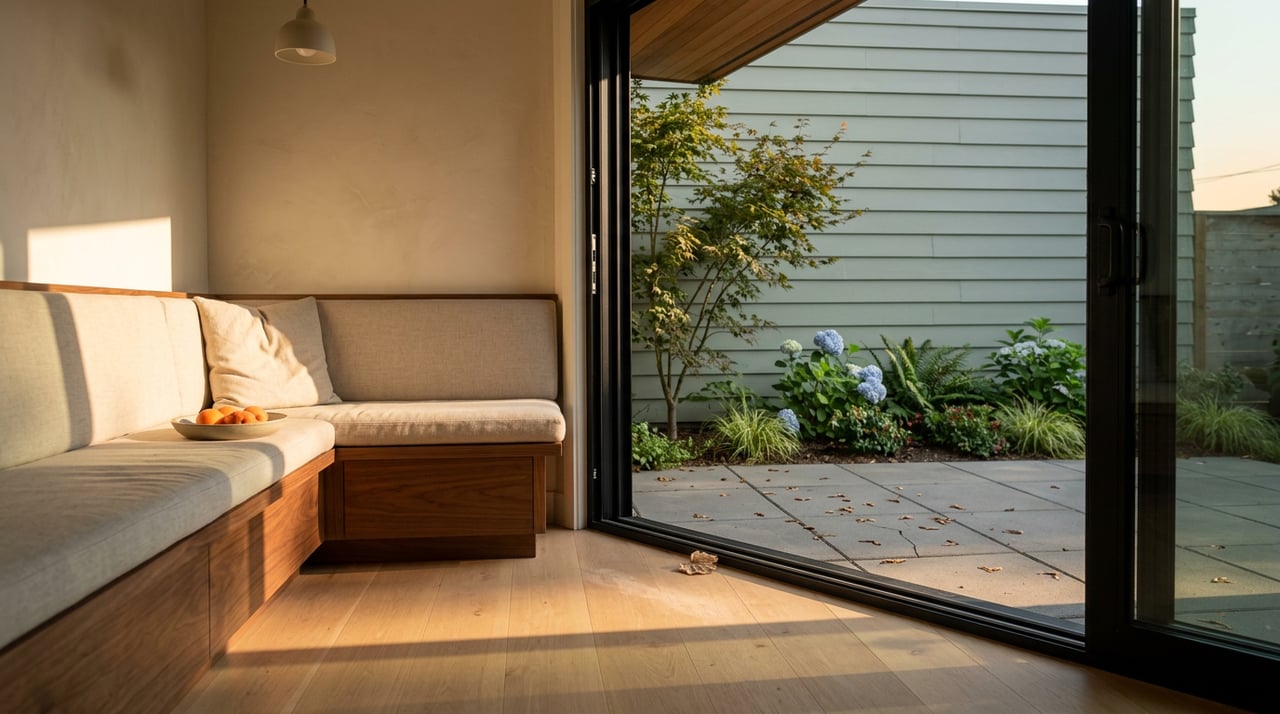
In Seattle, going car-free often means trading space for location. A smaller condo, apartment, or townhouse near light rail or a frequent bus corridor may support your daily life better than a larger home in a less connected area.
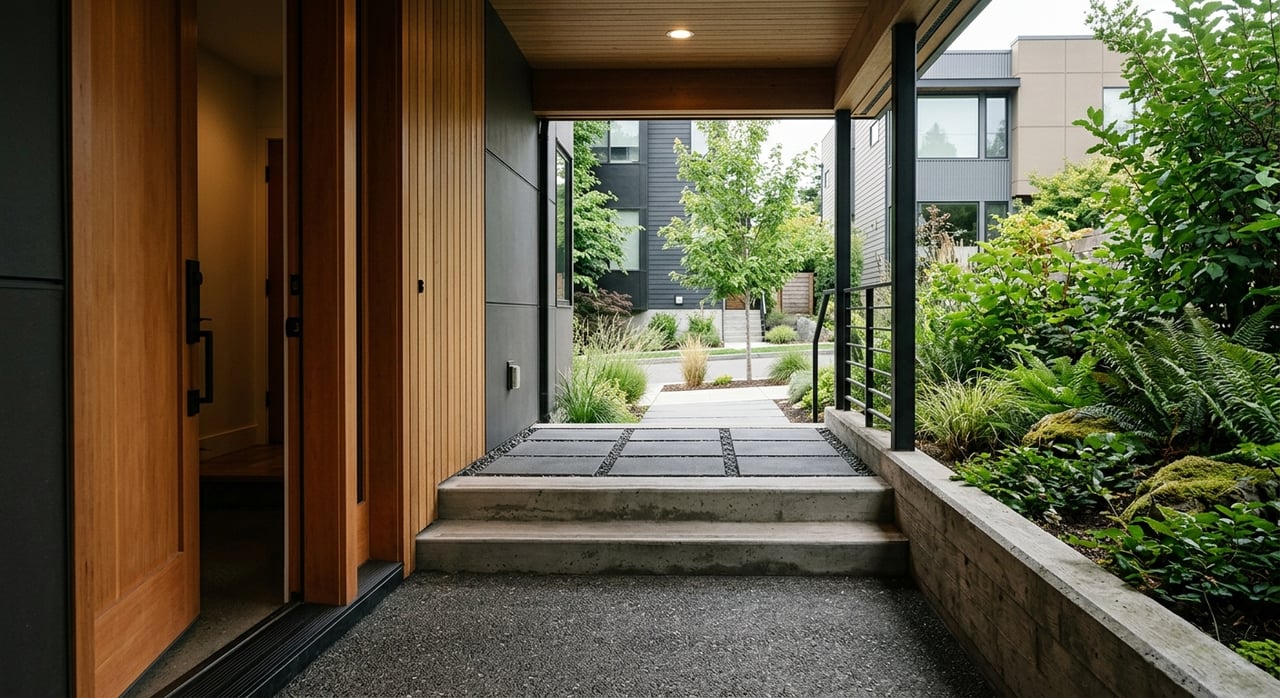
Seattle’s land-use framework supports a diversity of multifamily housing types in transit-rich places. That means if your priority is a car-light lifestyle, you will often find more workable options in denser neighborhoods with mixed housing and stronger transit access.
Single-family homes can still work
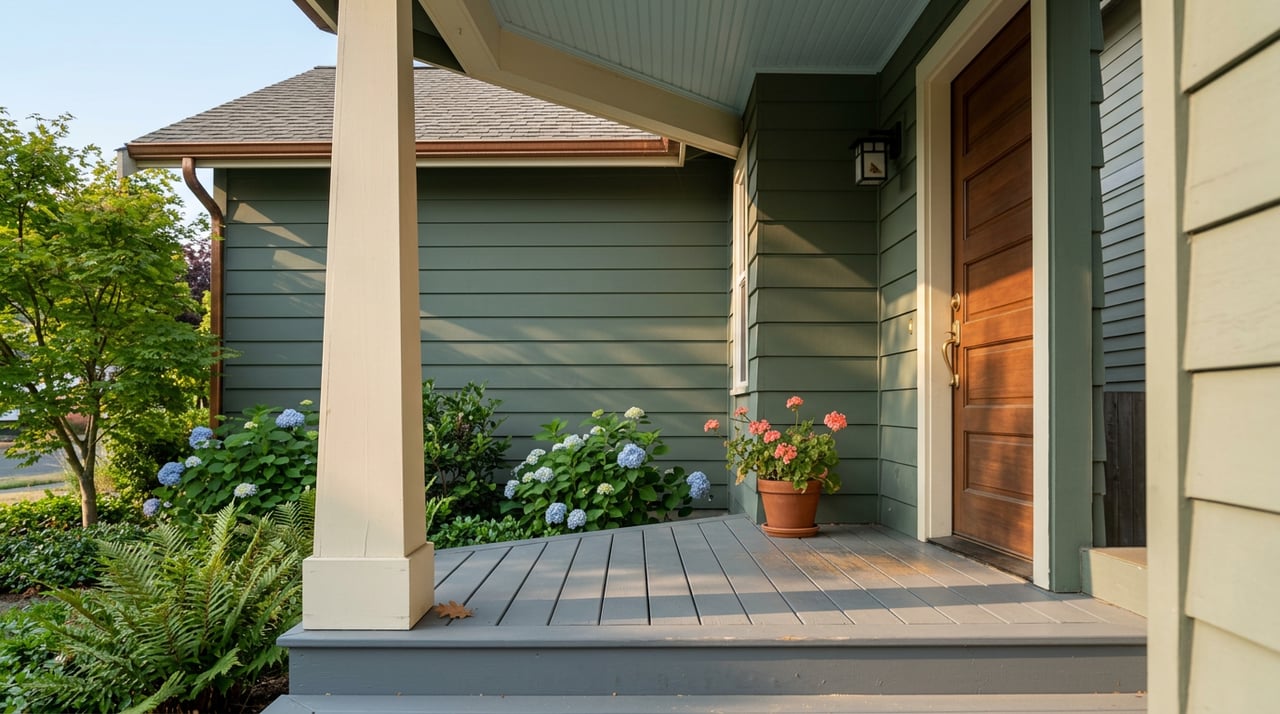
A single-family home does not automatically rule out car-light living. Seattle’s commute data suggests that locating housing near employment and strong transit helps reduce commute distance, and shorter commutes are tied to lower drive-alone rates.
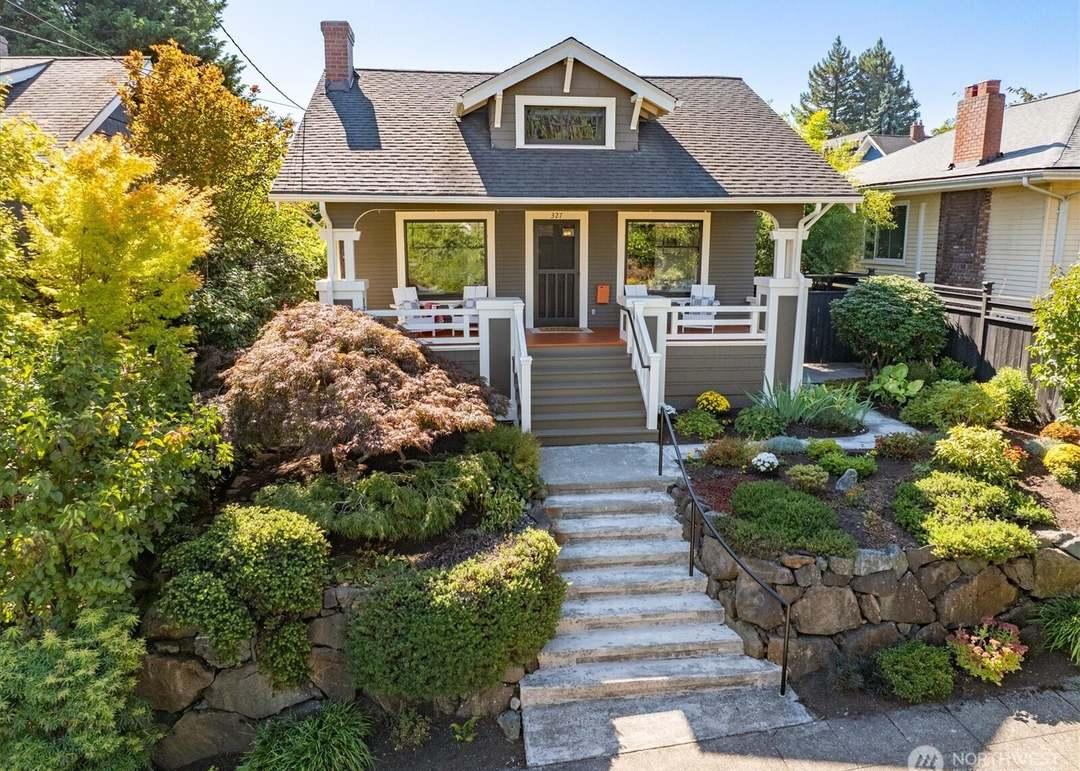
In practice, that means some detached homes can still fit a mostly car-free routine if they are close to a major transit corridor or job center. Homes farther from those systems are more likely to require a car for errands, commuting, or both.
Parking is a real cost
Parking is one of the easiest details to underestimate. Seattle says Residential Parking Zones are meant to reduce all-day commuter parking on neighborhood streets, and off-street parking is the better option for reliable parking.
That matters even if you are trying to own fewer cars, not zero cars. In several dense urban neighborhoods, including Capitol Hill, First Hill, South Lake Union, Eastlake, Fremont, Roosevelt, and Uptown, employee or business RPZ permits are not issued, which can make street parking less predictable.
What the commute data suggests
Seattle’s commute performance data helps show why transit-rich housing matters. Employees in high transit-access areas had a 27% drive-alone rate, compared with 41% in moderate transit-access areas.
The same report found that respondents who lived in growth centers had a 21% drive-alone rate and a 55% non-drive-alone rate. In plain terms, where you live can strongly shape whether a car-free or car-light routine feels practical or exhausting.
Neighborhood types to compare
Seattle’s neighborhood snapshot program highlights areas with major transit activity, infrastructure, or city projects. For a car-free housing search, these are useful places to compare because they reflect where transit and growth are already concentrated.
Examples include Downtown Commercial Core, Belltown, First Hill, Capitol Hill, South Lake Union/Denny Triangle, University District, Northgate, Columbia City, Rainier Beach, Ballard, and West Seattle Junction/Genesee Hill. Each one has a different balance of transit access, housing type, and daily convenience.
Rather than asking which neighborhood is “best,” it helps to ask which tradeoff fits your life. One area may offer faster rail access, another may give you more space, and another may make biking or walking easier day to day.
How to evaluate a home for car-free living
If you are serious about reducing or eliminating car use, it helps to evaluate each home through a practical lens.
Use this simple checklist
- Check how close the home is to Link light rail or a frequent bus corridor
- Map your most common trips, including work, groceries, fitness, and social plans
- Look for safe walking routes and bike infrastructure nearby
- Ask about secure bike storage if you are considering a condo or apartment
- Consider whether occasional ride-share or car-share needs fit your budget
- If you still plan to keep a car, confirm the parking situation before you make an offer
A home can look great on paper and still create daily friction if the transportation piece does not work. On the other hand, a home with slightly less square footage may give you more freedom if it cuts down your commute and daily driving.
Buying with the long view in mind
Seattle’s transit map is still evolving, which matters if you are buying for the next five to ten years. With the 2 Line now connected across Lake Washington and future RapidRide investments planned, some areas may become more car-light friendly over time.
That does not mean you should buy based on future transit alone. It does mean you should think about current function and future upside together, especially if you want a home that supports both lifestyle and resale value.
If you are weighing homes in different Seattle neighborhoods, it helps to compare more than price and finishes. The right choice often comes down to how location, transit, parking, and daily routine work together in real life.
Car-free living in Seattle is absolutely possible, but it is rarely one-size-fits-all. If you want help comparing neighborhoods, commute patterns, and home options through a practical, real-life lens, connect with Cedar to Sound Homes for clear guidance tailored to how you actually want to live.
FAQs
What does car-free living in Seattle depend on most?
- Car-free living in Seattle depends most on neighborhood location, transit access, walkability for daily errands, bike connections, and how close your home is to work or other regular destinations.
Which Seattle transit options support car-free living?
- Link light rail, RapidRide bus lines, and the Seattle Streetcar are the main transit options that support car-free living, especially when they connect easily to walking and biking routes.
Can you live car-free in all Seattle neighborhoods?
- No. Seattle data shows that car ownership varies a lot by neighborhood, so car-free living is much more realistic in transit-rich areas than in places farther from frequent service.
Are single-family homes in Seattle compatible with car-light living?
- Sometimes. A single-family home can work for car-light living if it is close to a strong transit corridor or employment center, but homes farther from those areas are more likely to require a car.
Why does parking matter if you want fewer cars in Seattle?
- Parking matters because it affects your flexibility and monthly costs. In some dense Seattle neighborhoods, street parking can be less predictable, so it is important to understand off-street parking and permit limits before you buy or rent.
Which Seattle neighborhoods are useful to compare for car-free housing?
- Useful neighborhoods to compare include Downtown Commercial Core, Belltown, First Hill, Capitol Hill, South Lake Union/Denny Triangle, University District, Northgate, Columbia City, Rainier Beach, Ballard, and West Seattle Junction/Genesee Hill.